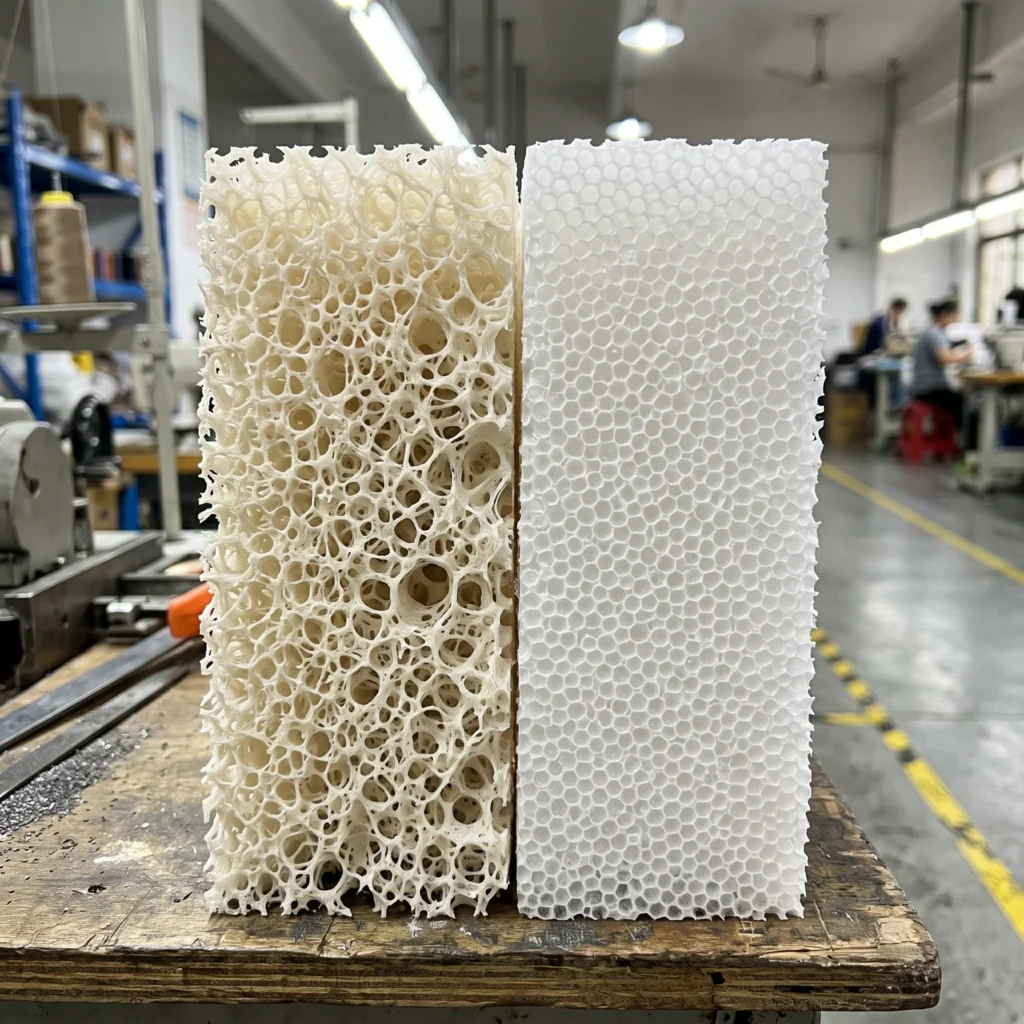
Overview: TPU injection molding offers superior cold-weather flexibility and environmental compliance for high-end markets, while PVC layering provides cost-effective durability for standard applications. Material selection fundamentally impacts pull-strength retention, abrasion resistance, and ultimately, the failure rate of outdoor pet gear under dynamic tension in diverse climates.
Mitigating Coating Failures in High-Tension Gear
A European procurement director recently approached our factory after experiencing an 11% failure rate with their previous supplier’s outdoor leashes. The outer polymer coating was micro-cracking in sub-zero temperatures, leading to moisture ingress, webbing rot, and catastrophic failure during ASTM F963 pull force testing. This structural failure highlights a critical operational decision for any custom pet gear manufacturer : specifying between Polyvinyl Chloride (PVC) layering and Thermoplastic Polyurethane (TPU) injection molding for the exterior jacket.
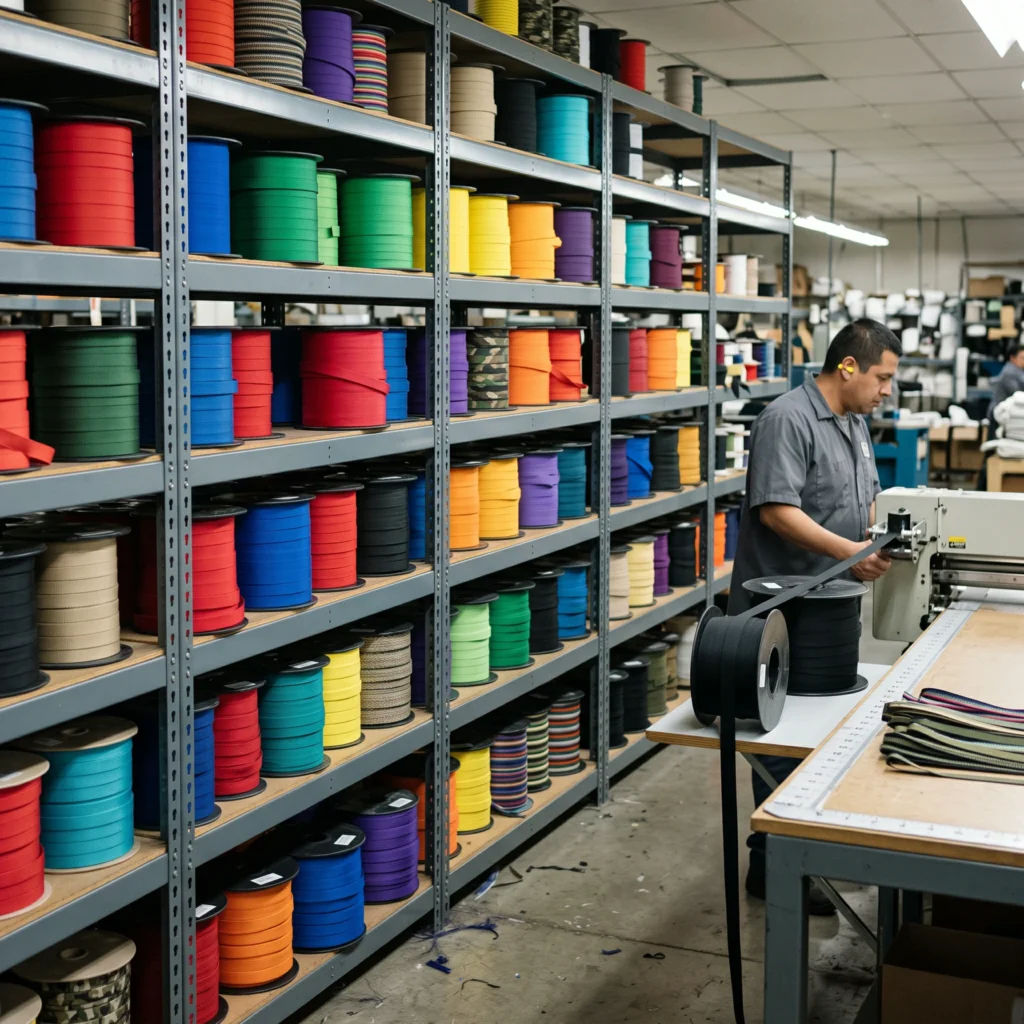
In our workshop, we process kilometers of coated webbing daily for heavy-duty pet gear. Both materials encapsulate a high-denier polyester or nylon core to create waterproof, wipe-clean surfaces. However, as highlighted in extensive material analyses on the core differences in flexibility, durability, and environmental impact, their molecular structures dictate entirely different manufacturing processes, tooling requirements, and performance outcomes for load-bearing applications.
The Mechanics of PVC Layering
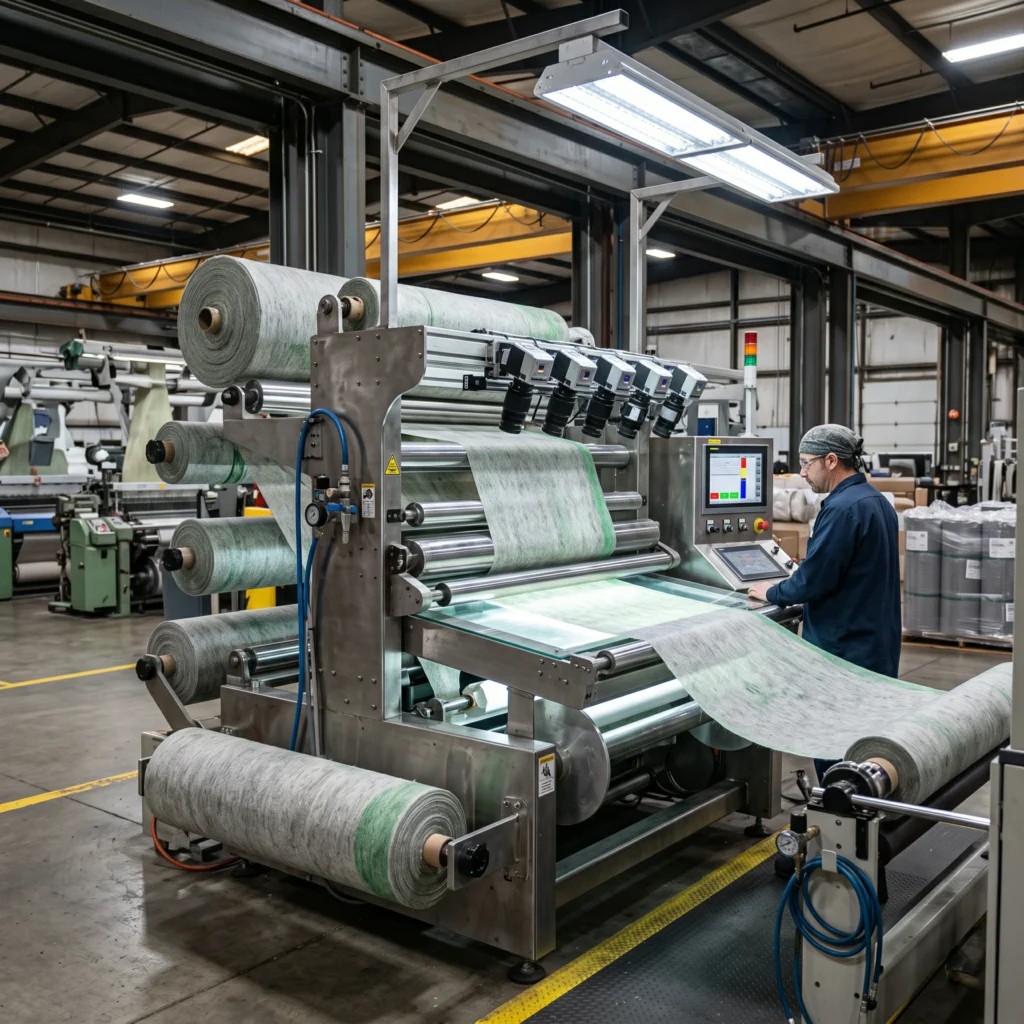
PVC coating is applied through an extrusion process where the synthetic core webbing is pulled through a heated die containing the liquid PVC compound. This creates a relatively thick, uniform layer. PVC is inherently rigid; to achieve the flexibility required for a wholesale waterproof dog collar, manufacturers must integrate plasticizers into the chemical mix.
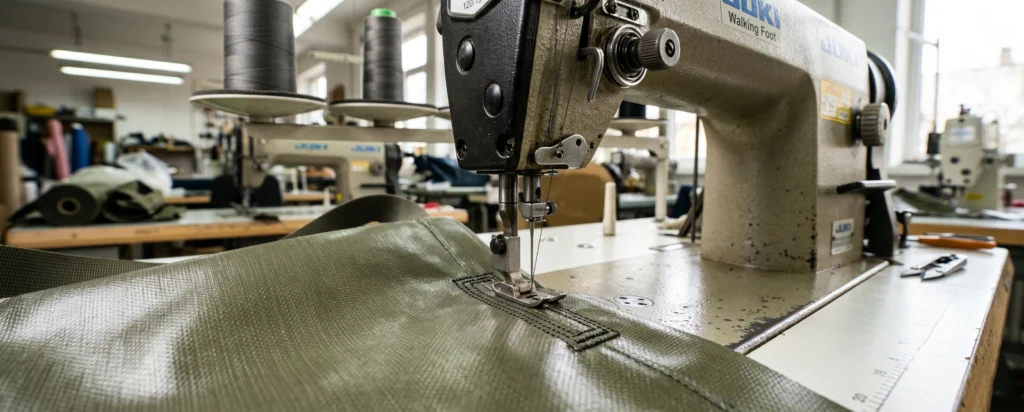
During our tensile testing, we observe that standard PVC-coated webbing holds up exceptionally well to static abrasion. However, our sewing operators report that dense PVC requires specialized heavy-duty walking foot sewing machines and titanium-coated needles to execute a clean double-needle bartack without skipping stitches or overheating the thread.
TPU Injection Molding Dynamics
Unlike the extrusion method typically used for PVC, TPU can be applied via injection molding over specific hardware or through high-precision co-extrusion. TPU is naturally flexible, meaning it does not rely on leachable plasticizers to maintain its elasticity. This structural stability translates directly to product longevity, especially in fluctuating environments.
When running continuous production cycles, TPU yields a thinner, highly bonded profile against the core webbing. The material exhibits a higher coefficient of friction, providing a tactile, rubberized grip that remains consistent whether wet or dry. This makes it an engineered solution for a durable dog leash factory producing gear meant for high-moisture or extreme cold environments.
Quality Control and Structural Integrity
The adhesion between the coating and the inner webbing is the primary failure point in subpar outdoor gear. If the bond delaminates, tension is transferred unevenly across the textile core. We utilize strict AQL standards to monitor this adhesion layer. TPU typically offers a superior mechanical bond to the polyester substrate, reducing the risk of delamination when the collar or leash is subjected to sudden, dynamic jerks from large breeds.
Chemical Compliance across Target Markets
Exporting to the USA, Canada, Europe, and Singapore requires rigorous adherence to chemical safety directives. The presence of phthalates (the plasticizers historically used in PVC) is strictly regulated under frameworks like REACH in the EU and Prop 65 in North America.
While phthalate-free PVC compounds are available and frequently utilized in our facility for compliant production, TPU offers a more streamlined compliance pathway. TPU is inherently inert and free of phthalates, halogens, and BPA. When passing finished TPU and hardware assemblies through our needle detection machines, the clean chemical profile and consistent density ensure rapid, uninterrupted quality control clearance prior to export packaging.
Technical FAQs
What is the difference in cold-weather performance between PVC and TPU coated webbing?
PVC coatings rely on chemical plasticizers for flexibility. In sub-zero environments, these plasticizers can stiffen, causing the PVC layer to become brittle, micro-crack, or completely fracture under tension. This exposes the inner webbing core to moisture and degradation. TPU retains its elasticity at a molecular level without relying on additive plasticizers. It remains structurally sound and flexible in temperatures well below freezing, making it the preferred material for outdoor pet gear distributed in Canadian and Northern European markets.
How do PVC and TPU coatings impact the bartack sewing process?
Dense PVC coatings require higher needle penetration force. If the machinery is not properly calibrated, the friction can cause the needle to overheat, potentially melting the synthetic thread or causing skipped stitches. Specialized titanium-coated needles and cooling lubricants are often necessary. TPU, while tough, offers a smoother needle penetration profile. It allows for consistent stitch tension and cleaner perforations during the double-needle bartack process. This consistency directly lowers the defect rate on the sewing line and improves overall AQL pass rates.
Which material is more cost-effective for large-volume wholesale orders?
PVC layering is generally more cost-effective from a raw material and extrusion standpoint. For standard applications where extreme temperature fluctuations or rigorous chemical compliance (beyond standard non-toxic baselines) are not the primary concern, PVC offers a highly durable, economical solution. TPU requires more advanced injection or co-extrusion machinery and carries a higher raw material cost. However, the investment is justified for premium product lines where stringent compliance, low-temperature elasticity, and high tactile grip are non-negotiable requirements for procurement.
Transitioning your product line to the correct waterproof polymer requires precise material data and physical testing. Whether you are engineering high-tension harnesses or standard waterproof collars, material selection dictates your performance metrics and market compliance. We provide comprehensive technical support and material swatch books for rigorous evaluation. To discuss your specifications, minimum order quantities, and custom tooling requirements, contact our wholesale team today.