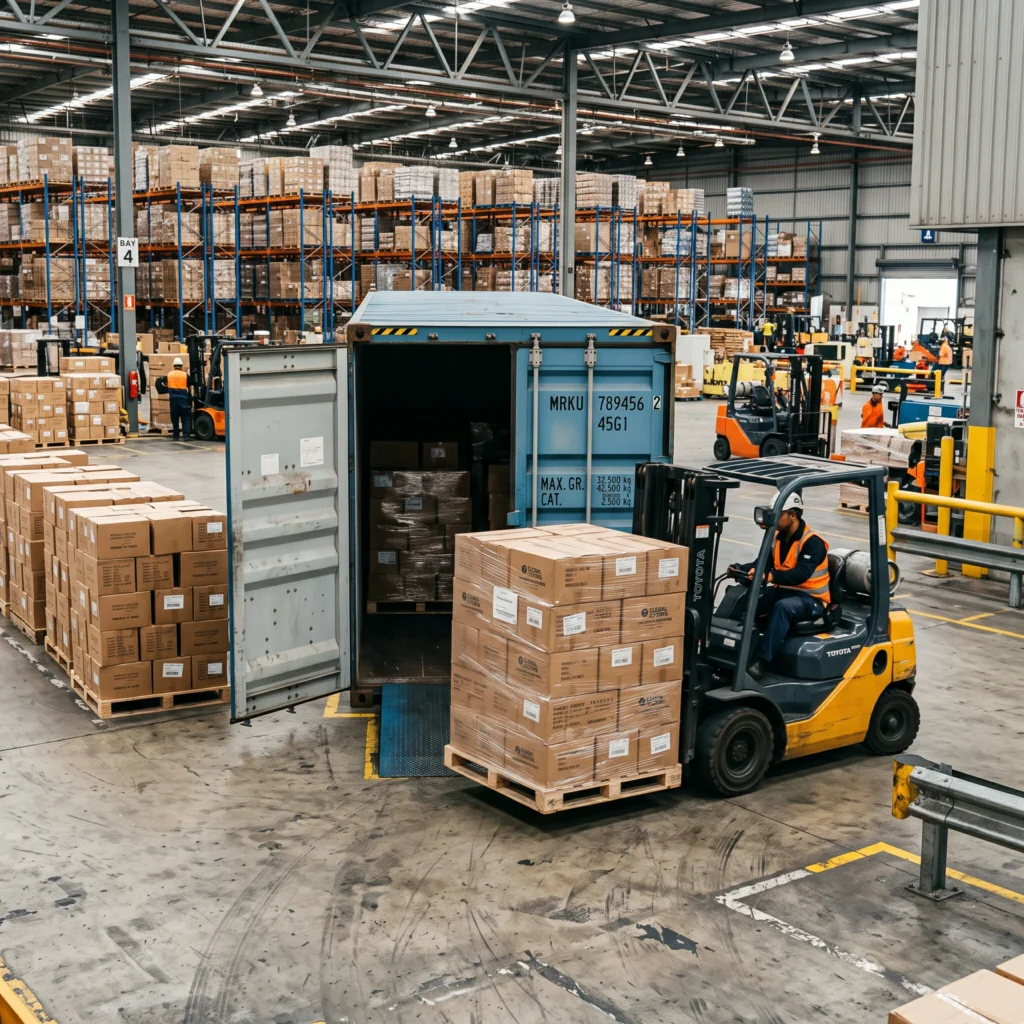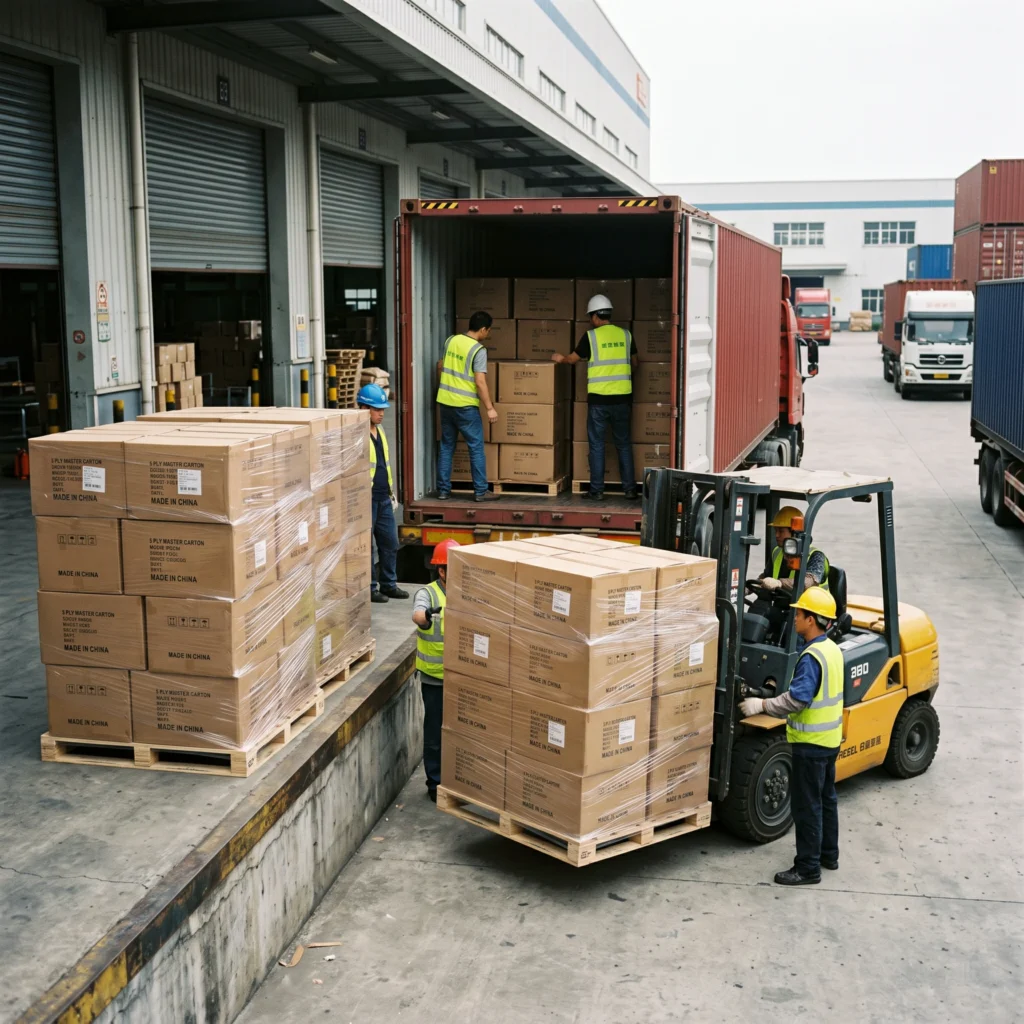
Overview: When importing bulk pet products, your chosen Incoterm dictates exactly where cargo liability transfers from our China dog toy factory to your forwarder. FOB Yantian transfers risk at the vessel’s rail, whereas DDP places all customs, duties, and final delivery risks entirely on our export department, protecting your bottom line.
The Costly Trap of Misunderstanding Shipping Terms
The most catastrophic, margin-killing mistake a buyer can make is choosing EXW (Ex Works) without a concrete understanding of origin port logistics, only to get hit with massive, unexpected charges before the goods even leave China. Buyers frequently assume that picking up goods straight from our Dongguan manufacturing floor will yield the cheapest freight quote. However, once you factor in local drayage (trucking from Dongguan to Shenzhen/Yantian port), export customs clearance fees, Terminal Handling Charges (THC), and the complexity of securing an export license, your “cheap” EXW quote quickly balloons.
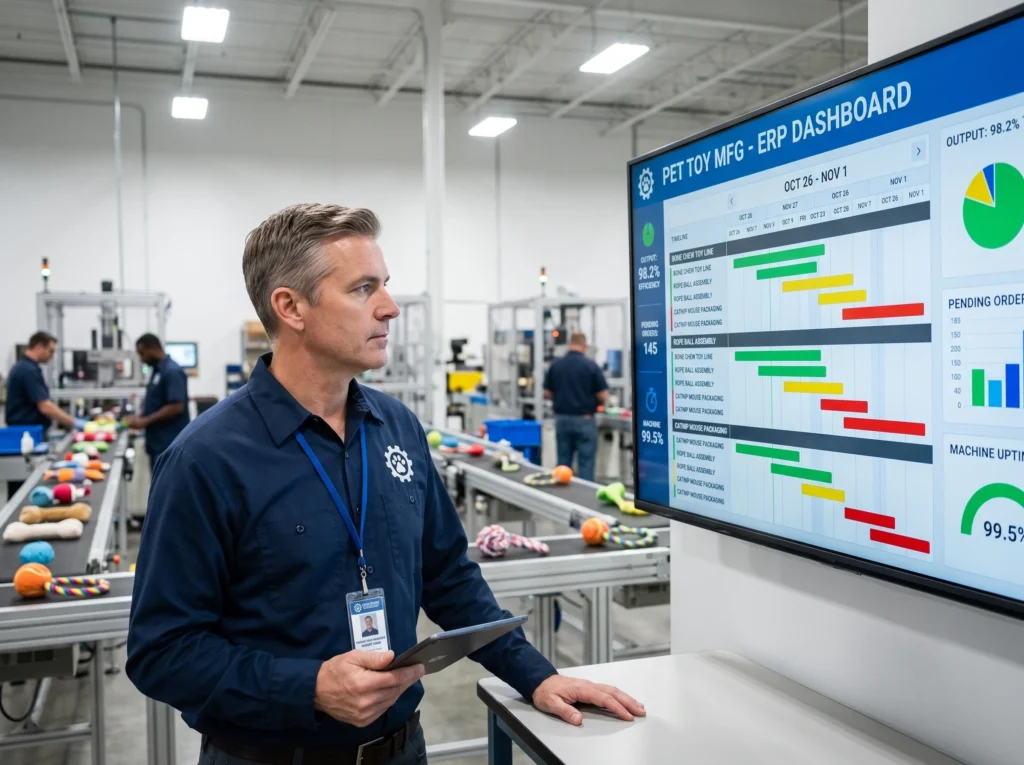
As the Export Compliance Officer at Wehao Pets, our export department witnesses this daily. Importers who are unprepared for the rigid timelines of document cut-offs (SI cut-off) and Container Yard (CY) cut-offs at major hubs like Yantian often face roll-overs. A rolled container means your dog toys miss the vessel, sitting at the terminal racking up origin storage fees. To safeguard your supply chain and profit margins, you must transition from a passive buyer to an informed importer. This guide meticulously details how to navigate Incoterms, classify your pet toys correctly for customs, prepare flawless documentation, and avoid the devastating hidden fees associated with international B2B logistics.
Understanding Risk Transfer: Incoterms in B2B Pet Toy Manufacturing
Incoterms (International Commercial Terms) are the legally binding rules that define the responsibilities of buyers and sellers. They dictate who pays for the freight, who handles the insurance, and most importantly, the exact geographic point where the risk of loss or damage transfers from our China dog toy factory to your company.
When importing wholesale plush dog toys, heavy-duty TPR chew toys, or custom pet beds, the volume and weight of the cargo heavily influence which term you should select. For containerized sea freight (FCL) or less-than-container load (LCL), buyers typically navigate between three primary terms: FOB, CIF, and DDP.
Mandatory Incoterms Comparison for Pet Product Imports
| Term | Who Pays Freight | Who Handles Customs | Risk Transfer Point | Best For (Buyer Type) |
| EXW (Ex Works) | Buyer | Buyer (Export & Import) | At our Dongguan factory floor. | Highly experienced buyers with local China logistics agents. |
| FOB (Free on Board) | Buyer (Ocean Freight) | Seller (Export), Buyer (Import) | Once goods are loaded on the vessel at Yantian/Shenzhen. | Standard B2B importers who have negotiated solid sea freight rates. |
| CIF (Cost, Insurance, Freight) | Seller (Ocean Freight + Insurance) | Seller (Export), Buyer (Import) | At the destination port (e.g., Port of LA). Buyer handles unloading. | Buyers who want the factory to manage ocean freight, but will handle local import duties. |
| DDP (Delivered Duty Paid) | Seller (All Freight) | Seller (Export & Import) | At your designated warehouse door in the USA/EU. | Buyers seeking zero logistics friction; predictable landed costs. |
Choosing FOB Yantian is the industry standard for established pet brands. We, as the manufacturer, absorb the local trucking costs from Dongguan to the port, manage the Chinese export customs declaration, and pay the origin terminal handling charges. However, if your business does not have a dedicated customs broker on retainer in the United States or Europe, DDP is undeniably your safest supply chain strategy.
Crucial Export and Import Documentation
A shipment of wholesale squeaky dog toys or custom dog harnesses is only as fast as its paperwork. A single discrepancy between your Commercial Invoice and your Bill of Lading can trigger a mandatory Intensive Customs Exam, delaying your cargo by weeks and costing thousands in examination fees. Our export department ensures meticulous alignment across all documents.
Below is the definitive checklist of documentation required for clearing pet products into the USA and EU markets:
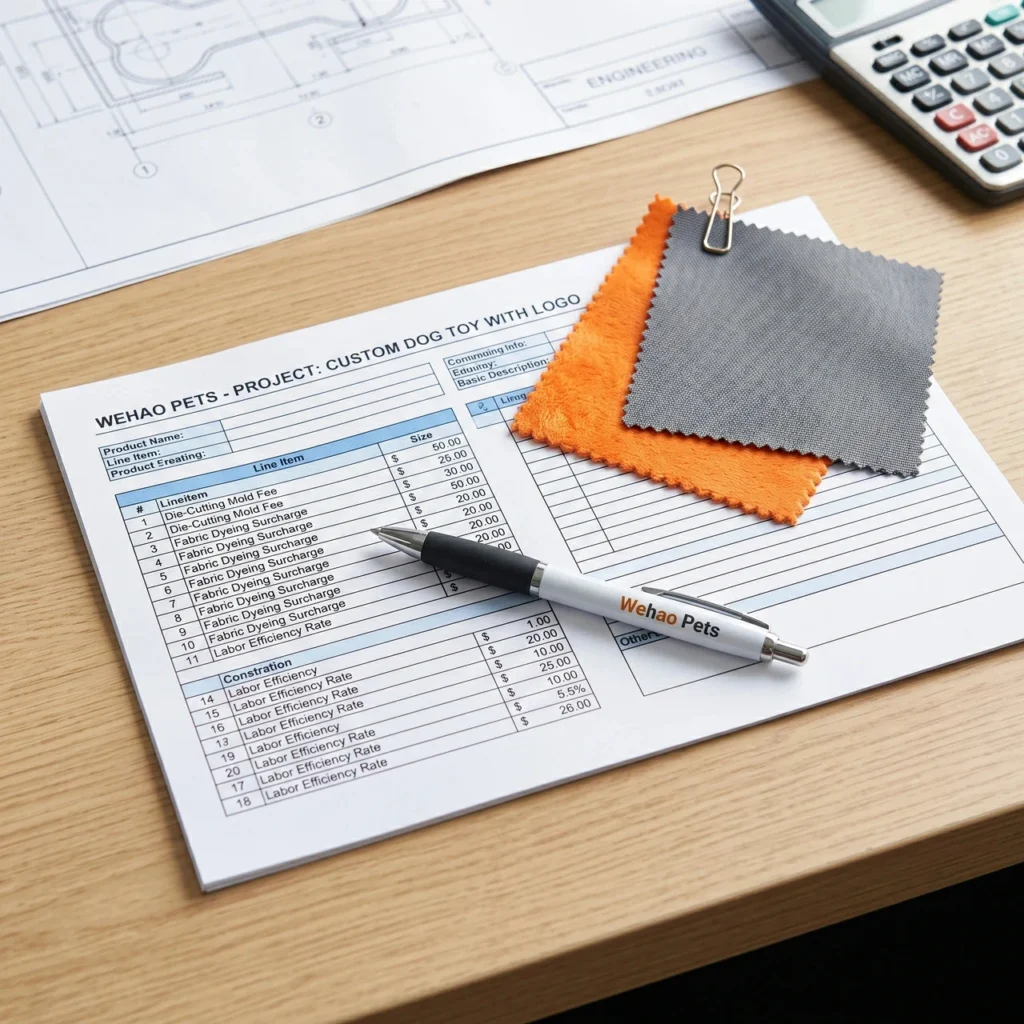
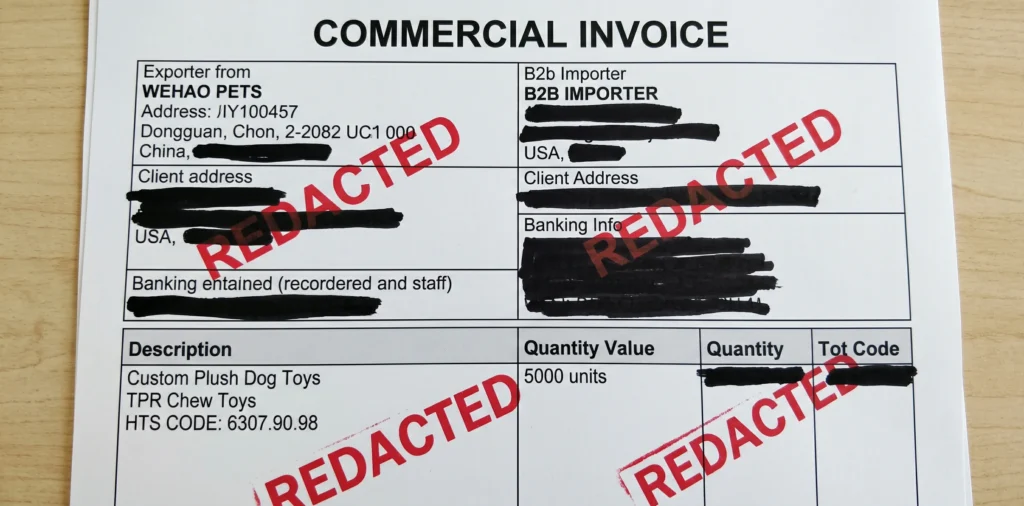
- ✅ Commercial Invoice (CI): This is the foundational document. It must explicitly state the country of origin (“Made in China”), the accurate unit value, the currency used for the transaction, and the specific HTS code for the dog toys. Customs officers use this to assess your import duties.
- ✅ Packing List (PL): A highly detailed breakdown of the cargo. It must show the Net Weight (N.W.), Gross Weight (G.W.), Carton Dimensions, CBM (Cubic Meters), and the exact carton quantities. If Customs weighs your container and it deviates from the PL by more than a few percentage points, it will be flagged.
- ✅ Bill of Lading (B/L): The official receipt of cargo issued by the ocean carrier. For faster clearance, we typically recommend a “Telex Release” rather than mailing an Original Bill of Lading (OBL), which prevents delays if physical documents are lost in transit.
- ✅ Certificate of Origin (CO): Vital for European importers. Depending on current trade agreements, a formal Certificate of Origin can drastically reduce your import tariff rates.
- ✅ ISF (Importer Security Filing) Data Sheet: Required exclusively for the USA. We provide the container stuffing location and manufacturer details so your broker can file this 24 hours before the ship leaves Yantian.
HTS Codes & Tariff Classifications for Pet Toys
One of the most frequent errors inexperienced importers make is misclassifying their goods. Many buyers mistakenly assume that pet toys fall under Chapter 95 of the Harmonized Tariff Schedule, which covers human children’s toys (HTS 9503). This is legally incorrect.
Customs and Border Protection (CBP) strictly mandates that pet products be classified by their constituent material. If you classify a dog chew toy under children’s toys, you are filing a fraudulent entry, which can lead to severe fines, cargo seizure, and an automatic flag on your company’s importer record.
Accurate HTS Classifications for Pet Products
| Product Category / Material | USA HTS Code | EU CN Code | Typical Import Duty (USA) |
| Plush & Textile Dog Toys (e.g., custom plush squeaky toys) | 6307.90.98 | 6307.90.98 | ~7% + potential Section 301 tariffs |
| Rubber/Plastic Pet Toys (e.g., TPR chew bones, PVC toys) | 3926.90.99 | 3926.90.92 | ~5.3% + potential Section 301 tariffs |
| Leather Dog Collars & Leashes | 4201.00.30 | 4201.00.00 | ~2.4% |
| Nylon/Webbing Dog Harnesses | 4201.00.60 | 4201.00.00 | ~2.8% |
To verify the exact duty rates for your specific state or country, always consult your licensed customs broker and utilize the official government databases. For US importers, cross-reference these codes using the official USITC Harmonized Tariff Schedule database. Relying on outdated codes is a guaranteed way to overpay on duties or face audit penalties.
Strict Packaging and “Made in China” Labelling Laws
Producing high-quality heavy-duty dog toys is only the first phase; packaging them legally is the second. United States customs (CBP) enforces 19 U.S.C. 1304, which mandates that every article of foreign origin must be marked with its country of origin in a conspicuous place.
If your retail packaging or the master cartons are not stamped or printed with “Made in China,” CBP will issue a Marking Notice. Your container will be held at the port, and you will be forced to hire bonded warehouse labor to manually apply stickers to every single dog toy inside the container. This repacking process can cost upwards of $150 per hour for labor, plus warehouse fees, entirely obliterating the profit margin of your wholesale order.
Our export department ensures that all cartons are properly labeled with robust Shipping Marks. These marks include the PO number, SKUs, Net/Gross weight, dimensions, destination port, and the mandatory origin markings.
The Threat of Hidden Port Fees: Demurrage and Detention
When calculating your landed cost, the ocean freight rate is just the baseline. The true danger lies in port-assessed penalty fees, which accumulate daily. When importing from a China dog toy factory, your cargo is subject to free time limits at both the origin and destination ports.
Demurrage refers to the fee charged by the port terminal when your full container sits at the dock beyond the allotted free days. Detention is the fee charged by the ocean carrier when you take the container out of the port to unload at your warehouse but fail to return the empty equipment (the metal box itself) within the free time.
Breakdown of Hidden Logistics Penalties
| Fee Type | Trigger Event | Average Cost | Prevention Strategy |
| Demurrage | Cargo delayed at customs; unable to leave the port terminal. | $150 – $350 per day | Pre-clear customs while goods are on the water. Ensure CI and PL are 100% accurate. |
| Detention | Warehouse takes too long to unload goods; empty container returned late. | $100 – $200 per day | Schedule warehouse labor in advance. Utilize drop-and-pick trucking services. |
| Customs Exam (VACIS) | Random X-ray scan of your container by CBP. | $250 – $400 | Ensure correct HTS codes and avoid vague product descriptions on the Commercial Invoice. |
| Intensive Exam (CET) | Physical unloading and inspection of the cargo by customs. | $1,000 – $2,500+ | Build a strong importer record. Provide highly detailed packing lists to prevent suspicion. |
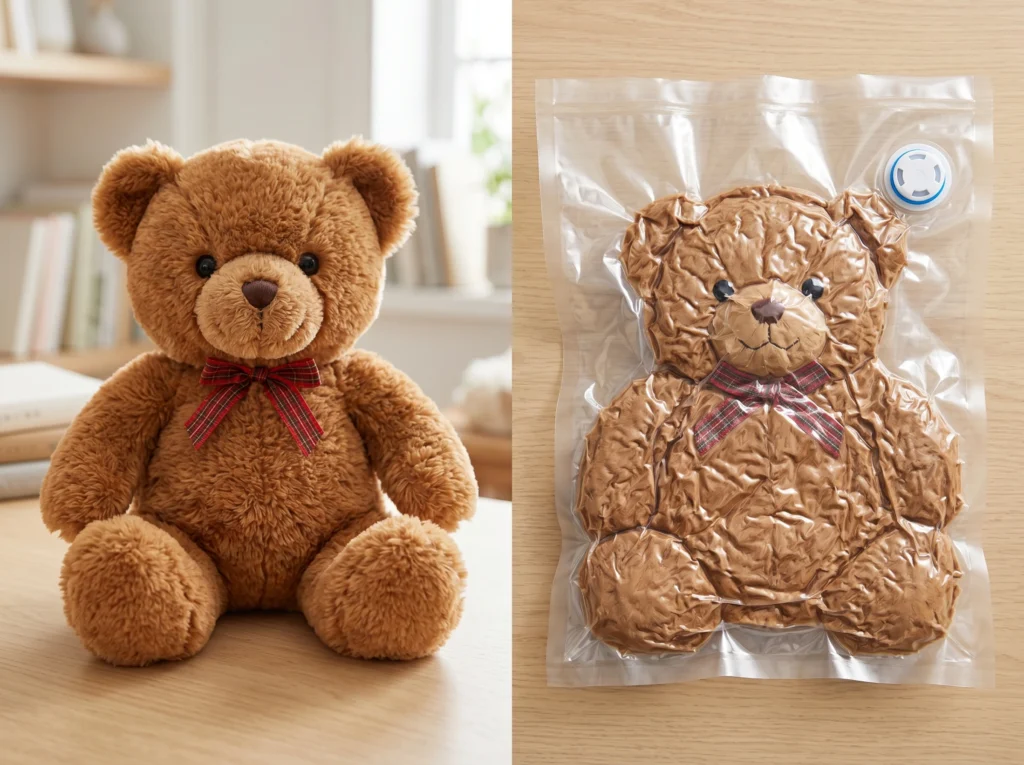
As your manufacturing partner, we meticulously load containers to maximize CBM (Cubic Meters) while ensuring easy offloading. Whether we are packing vacuum-compressed wholesale donut dog beds or bulky interactive puzzle toys, efficient loading directly translates to faster warehouse unloading, helping you avoid detention fees.
The ISF Filing (10+2 Rule) for US Importers
If you are importing via ocean freight to the United States, you are subject to the Importer Security Filing (ISF), commonly known as the 10+2 rule. This is a strict CBP regulation requiring the importer to transmit specific data about the cargo to customs at least 24 hours before the cargo is loaded onto the vessel at the Port of Yantian.
Failure to file the ISF on time, or filing inaccurate data, results in an automatic $5,000 penalty per violation. Furthermore, customs will likely place a “Do Not Load” hold on your cargo, meaning it won’t even leave China.
Our export team is trained to provide your forwarder with the required manufacturer data, container stuffing location, and consolidator details well in advance of the SI cut-off. We never let our clients get blindsided by ISF penalties. We handle the origin coordination so your customs broker can execute the filing smoothly.
Why DDP Might Be Your Safest Supply Chain Strategy
Managing customs bonds, clearing exams, communicating with drayage truckers, and calculating fluctuating Section 301 tariffs on Chinese imports can be overwhelming for brands that want to focus on marketing and sales.
This is why an increasing number of our B2B partners are moving away from FOB and requesting DDP (Delivered Duty Paid) terms. Under DDP, our China dog toy factory takes complete ownership of the logistics chain. We manufacture the goods, book the ocean freight, handle the US/EU customs clearance, pay the import duties, and arrange the final mile trucking to your facility.
The price you see on your DDP invoice is your final landed cost—no hidden demurrage, no sudden exam fees, and no ISF penalties. You transfer the entire logistics liability to our expert team.
To dive deeper into our factory capabilities, machinery, and production capacity, we encourage you to review our About Us/Factory Profile. For any specific questions regarding lead times, minimum order quantities (MOQ), and shipping routes, please consult our dedicated Shipping/Logistics FAQ page.
Protect Your Margins with Expert Manufacturing
Importing wholesale pet accessories is highly profitable when executed with logistical precision. By understanding risk transfer through Incoterms, aggressively managing your documentation to prevent customs holds, and correctly classifying your pet toys, you fortify your supply chain against margin-eroding penalties.
At Wehao Pets, we do more than manufacture premium pet products; we engineer seamless global delivery. We strongly urge you to request a comprehensive DDP quote from our export department today. Compare our all-inclusive landed costs with your current freight forwarder’s pricing—you may be surprised at the savings and security we can provide.
Frequently Asked Questions (FAQ)
1. How are plush dog toys classified under US customs HTS codes?
Unlike human children’s toys (Chapter 95), plush dog toys and textile pet accessories are classified under their material composition. For textile and plush dog toys, the accurate US HTS code is typically 6307.90.98. Using the incorrect chapter can trigger customs audits and severe fines.
2. What are the hidden demurrage fees if my dog toys are held at the Port of Los Angeles?
Demurrage fees are charged by the terminal when your container remains at the port beyond the free days (usually 3-5 days). At major ports like Los Angeles, these fees can range from $150 to over $350 per day. To prevent this, ensure all documentation is flawless so your broker can pre-clear the cargo before the vessel arrives.
3. Does your China dog toy factory handle the ISF filing for US shipments?
While the legal responsibility for filing the ISF (Importer Security Filing) rests with the US importer of record, our export department proactively provides all necessary origin data (stuffing location, manufacturer details, HTS codes) to your freight forwarder 48 hours before the vessel loading at Yantian port, ensuring you avoid the $5,000 late penalty.
4. Can I use my own freight forwarder if I buy FOB Shenzhen?
Absolutely. Under FOB (Free on Board) terms, you have complete control over selecting your ocean freight forwarder. We will handle all local transportation from our Dongguan factory to the Shenzhen/Yantian port, cover the origin terminal handling charges, and manage the Chinese export customs clearance.
5. How does a Certificate of Origin affect my import duties in Europe?
A formal Certificate of Origin proves that the pet products were manufactured in China. Depending on the specific European Union member state and current bilateral trade policies, providing a verified Certificate of Origin can help prevent the application of retaliatory tariffs and ensure you only pay the standard CN code duty rates.