PROJECT BRIEF: Private Labeling Execution
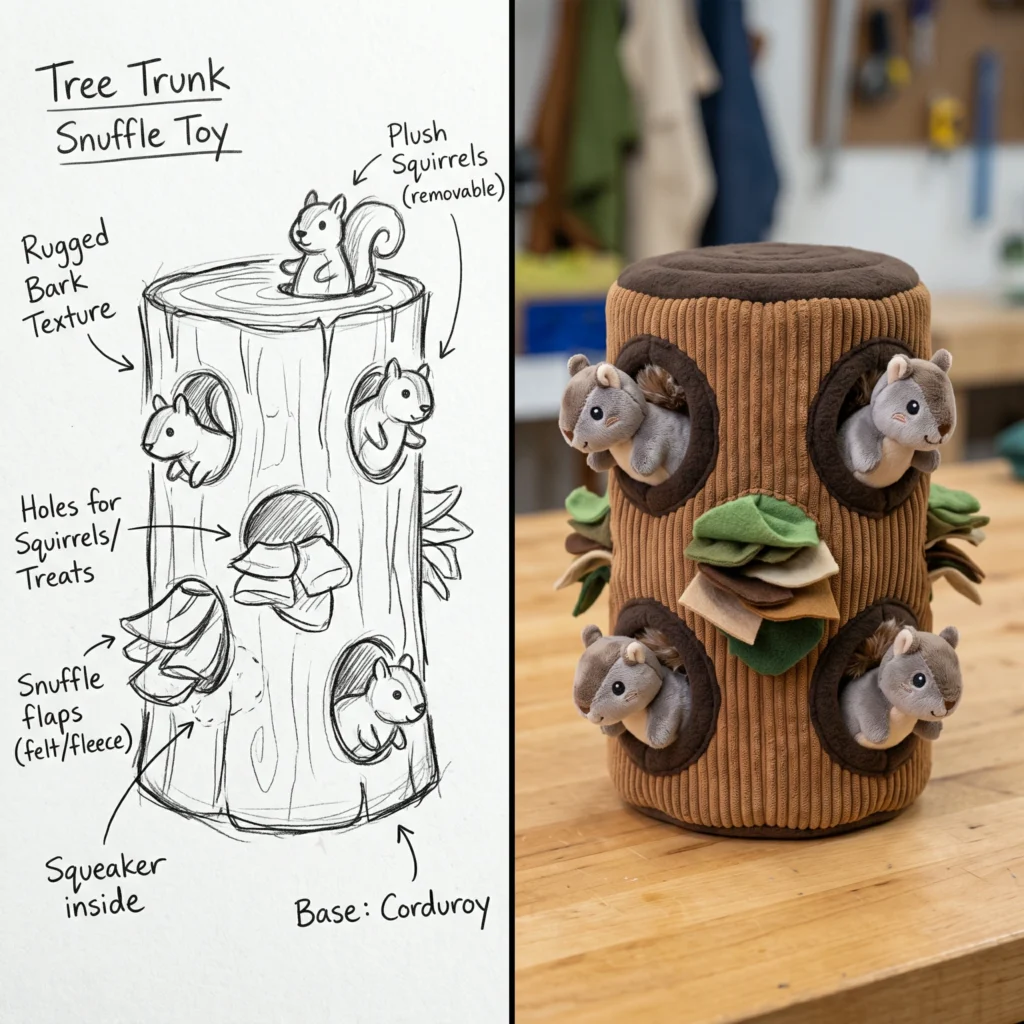
- Client Goal: Launching a premium, customized brand line targeting boutique pet shops by utilizing our existing stock plush toy shapes to eliminate $500+ custom mold and sampling costs.
- The Branding Challenge: Achieving high-definition logo visibility and preventing embroidery puckering on high-stretch, high-pile velboa fabrics, while maintaining aggressive chew-resistance standards.
- The Wehaopets Solution: Engineering a customized digitizing file with optimal push/pull compensation, integrating heavy-duty tear-away backing stabilizers, and applying high-density damask woven labels with ultrasonic cut edges to prevent fraying.
- Cost Impact: +$0.15 per unit for direct high-density embroidery; +$0.08 per unit for premium ultrasonic-cut woven labels. Zero added mold fees.
As a leading custom logo pet toy factory, we frequently consult with Amazon sellers, boutique pet shop owners, and promotional merchandisers who want to establish brand authority without the overhead of entirely new product development. The most efficient pathway to market is utilizing white label pet products wholesale. By taking our rigorously tested, structurally sound stock plush toys and applying localized branding—specifically through custom embroidery and woven labels—brands can achieve a bespoke look while leveraging factory-direct MOQs and pricing.
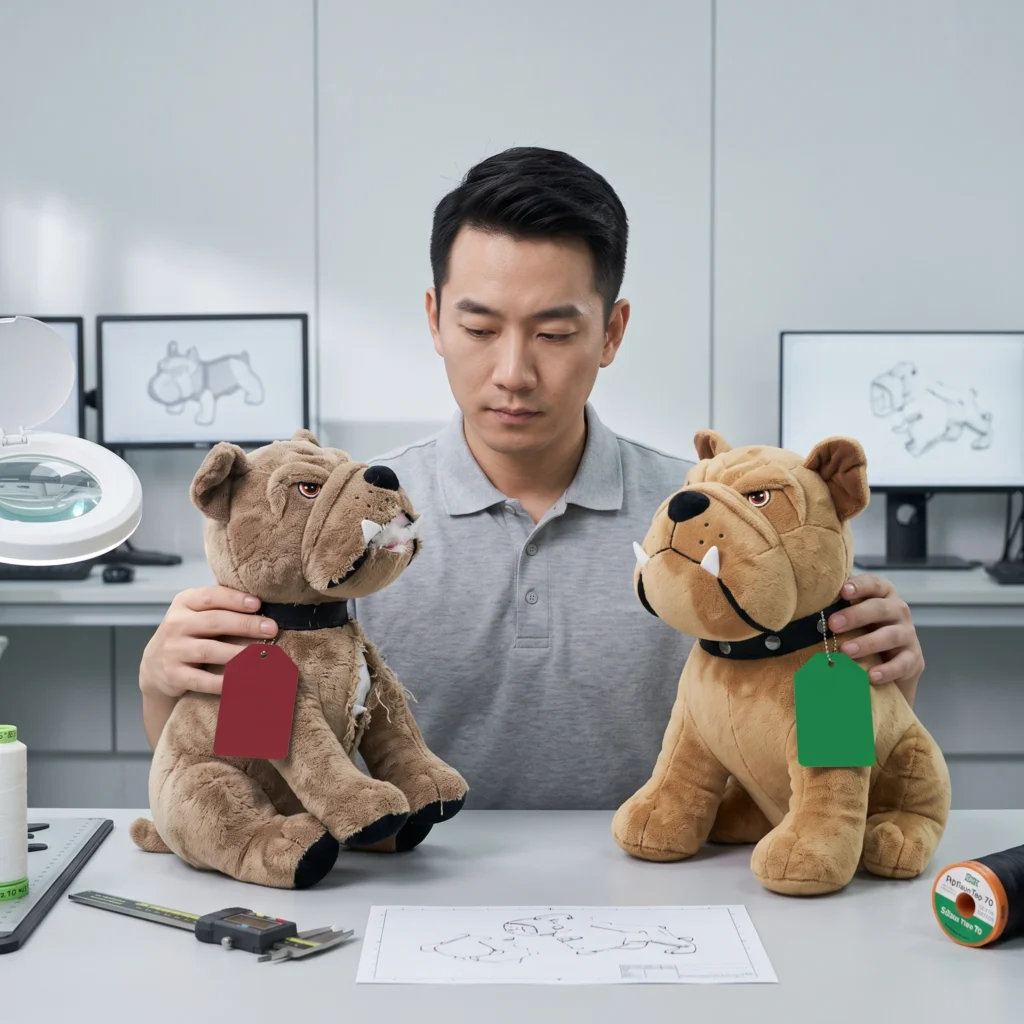
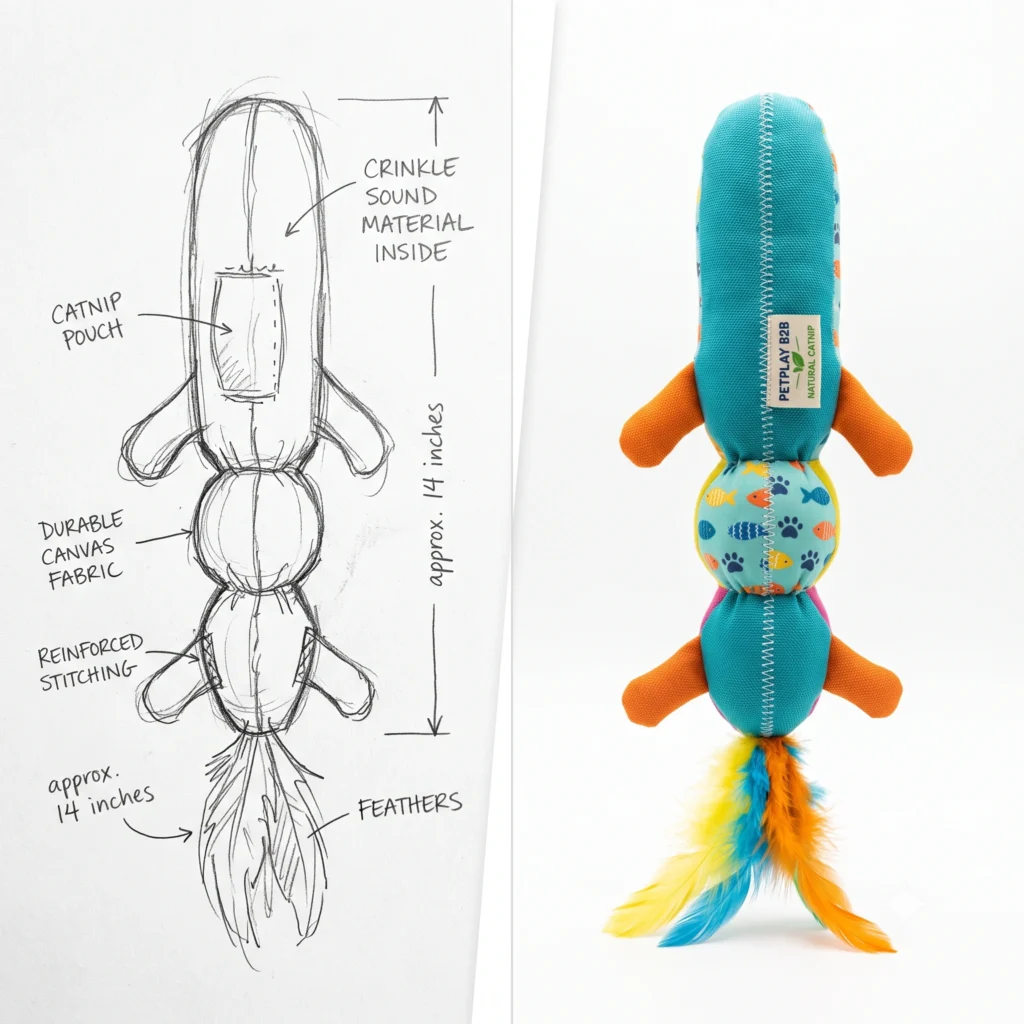
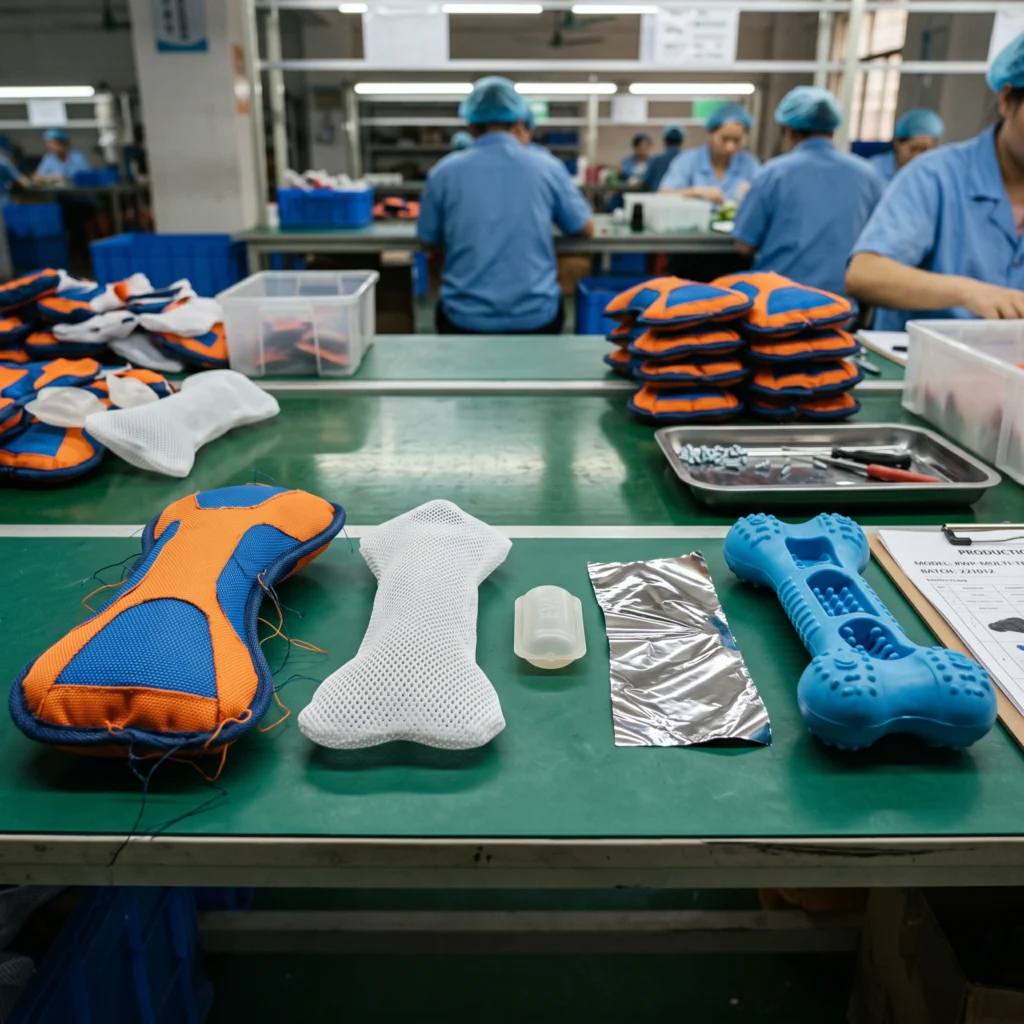
In our branding workshop, we do not simply “slap a logo” on a toy. Private labeling requires precise textile engineering. When dealing with plush fabrics—which inherently possess stretch, pile height, and directional nap—the application of a logo must be calculated to withstand the physical abuse of a dog’s bite force. This highly technical B2B case study outlines the exact mechanical execution of private labeling on our factory floor.
The Engineering Behind Private Label Dog Toys
When brands transition to private label dog toys, the primary decision rests between direct surface embroidery and the attachment of a woven label. Both methods serve different aesthetic and functional purposes, but their execution on the manufacturing line requires distinct technical parameters.
Direct Embroidery: Precision on High-Stretch Fabrics
Embroidery is the gold standard for premium pet toys because it cannot be chewed off or swallowed, unlike plastic safety eyes or glued rubber badges. However, executing a flawless logo on high-pile fabric like faux fur or corduroy is an engineering challenge.
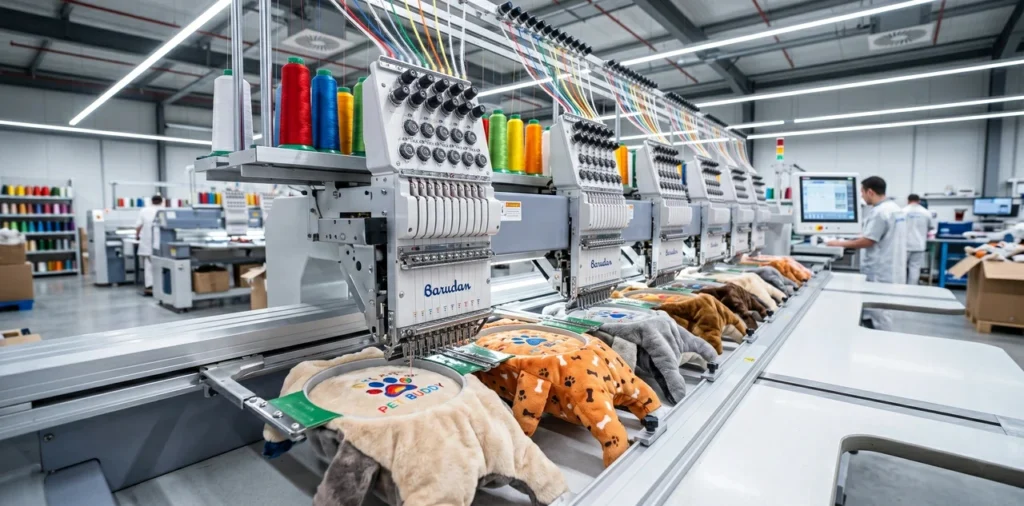
On our embroidery line, the process begins with digitizing. We do not merely convert a vector logo (.AI or .EPS) into a stitch file; our technicians must program the exact needle pathing, accounting for the unique physical properties of the plush fabric. We adjust for “push and pull compensation”—the tendency of the fabric to stretch horizontally and bunch vertically as the needle penetrates it thousands of times.
To mitigate puckering and ensure the logo remains legible, we implement specific backing stabilizers. For aggressive chew toys, we typically deploy a heavy-duty cut-away stabilizer underneath the fabric to provide permanent structural integrity, paired with a water-soluble topping stabilizer. The topping holds down the plush pile (the fuzzy surface) so the embroidery thread lays flat rather than sinking into the fabric, guaranteeing crisp edges on typography and intricate logo marks.
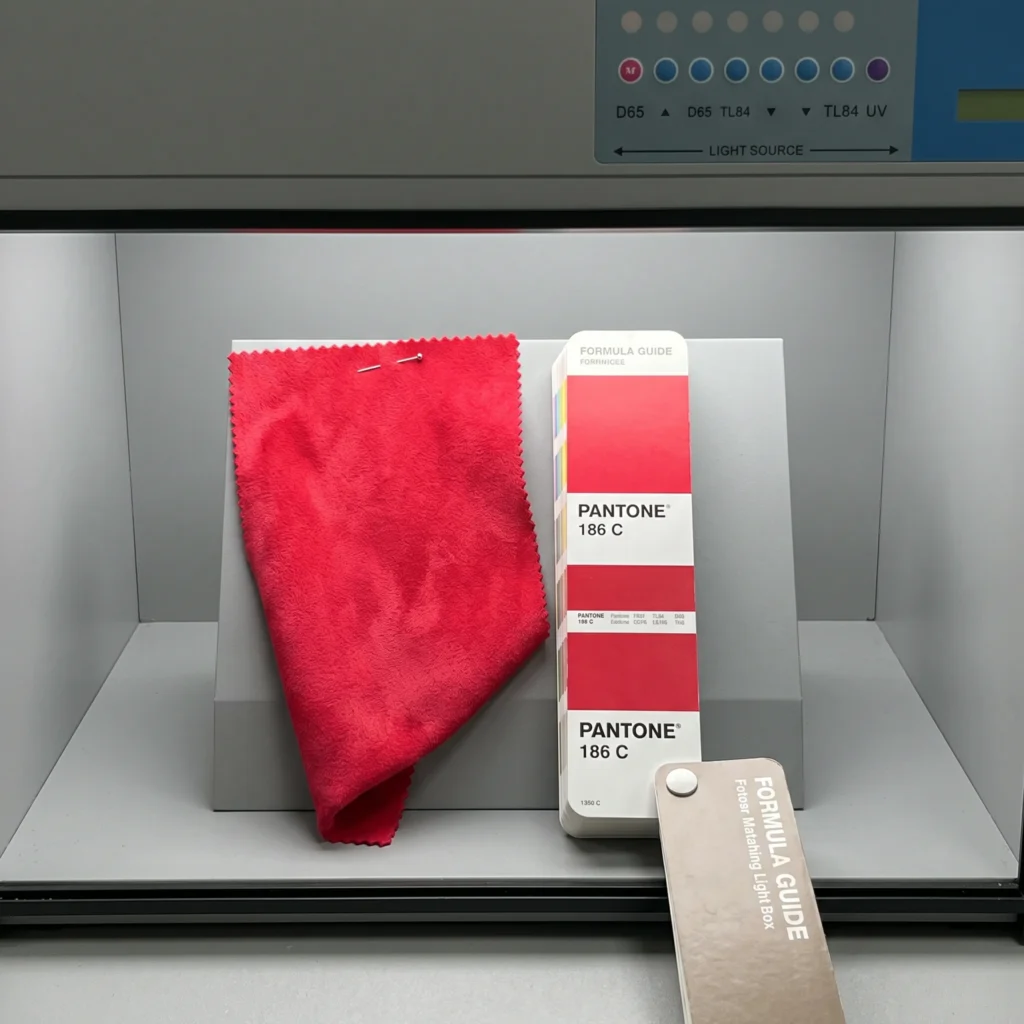
Furthermore, we utilize strict Pantone thread matching utilizing high-tenacity polyester threads. Unlike standard rayon threads, which have a beautiful sheen but lower tensile strength, polyester thread resists the abrasive friction of a dog’s teeth and withstands repeated hot-water washing without color bleeding.
The Customization Matrix: Choosing the Right Application
To assist our B2B clients in optimizing their supply chain, we have developed the following matrix to compare standard branding applications available in our facility.
| Customization Type | Best Fabric Match | Durability / Pet Safety | Impact on MOQ | Cost Tier |
| Direct Embroidery | Short Velboa, Corduroy, Canvas | Excellent (No choking hazard) | Medium (Requires machine setup) | $$$ |
| Woven Damask Label | All Plush, Oxford, TPR hybrid | High (If seam-integrated) | Low (Labels bought in bulk) | $$ |
| Heat Transfer Print | Smooth Nylon, Neoprene | Moderate (Can crack over time) | Low (Fast processing) | $ |
| Silicone / PVC Patch | Heavy Duty Canvas, Kevlar | Medium (Risk of separation) | High (Requires separate mold) | $$$ |
Woven Labels: The Standard for White Label Pet Products Wholesale
For clients looking for a highly scalable, cost-effective branding solution, woven labels are unparalleled. However, not all labels are manufactured equally. In the context of dog toys, a cheap label is a severe liability.
In our factory, we mandate the use of woven damask labels rather than printed satin or taffeta. Damask labels are woven using high-density, fine 50-denier threads. This results in a softer texture and allows for micro-detailing of complex logos that printed labels simply cannot match. More importantly, printed labels fade when exposed to canine saliva and washing machines; woven damask is colorfast by nature because the design is built into the textile itself.
A critical vulnerability in pet toy manufacturing is frayed edges. If a dog can catch a frayed edge with its incisors, it will rip the label—and subsequently the toy’s seam—apart. To prevent this, our production protocol dictates ultrasonic cutting for all woven labels. Instead of standard mechanical slicing, ultrasonic sound waves cut and simultaneously melt the polyester edges of the label, sealing them seamlessly and rendering them un-frayable.
Label Integration Techniques
| Label Fold Type | Factory Application Method | Best Use Case in Pet Toys |
| End Fold | Stitched flat onto the surface with a continuous perimeter box stitch. | Large branding on flat dog beds or large plush bodies. |
| Loop Fold | Folded in half and anchored deeply inside the primary closure seam. | Standard plush toys; prevents dogs from gaining leverage. |
| Center Fold | Similar to loop fold, but customized for over-the-edge placements. | Collar and leash attachments, harness edges. |
Mandatory Label Placement and Compliance
Operating a custom logo pet toy factory means we bear the responsibility of ensuring our clients’ products meet international compliance standards. Slapping a logo on a toy is only half the job; the other half is integrating mandatory legal tracking and material information. Our rigorous pet product safety standards
dictate strict placement protocols.
When engineering the tech pack for your private label dog toys, our workshop adheres to a strict placement checklist.
🏷️ 1. Primary Seam Anchorage (The 5mm Rule): All loop-fold woven labels must be inserted a minimum of 5mm deep into the primary structural seam and secured with a back-tack stitch. Surface-stitching a loop label is strictly prohibited as it creates a high-leverage pull point for the dog.
🧵 2. Tracking and Origin Compliance: We ensure every customized batch includes mandatory “Made in China” designation, fabric content declarations, and batch tracking numbers required for recall protocols, keeping you compliant with FTC textile labeling rules
and CPSIA standards.
🏷️ 3. Strategic Deflection Placement: Labels are never placed on high-bite zones (e.g., the snout or ears of an animal toy). We position them on the lower abdomen or rear gusset—areas statistically less targeted by a dog’s initial prey-drive bite, thereby extending the life of the label and the toy.
Cost Optimization and MOQ Efficiency
The greatest advantage of partnering with Wehaopets for white label pet products wholesale is the dramatic reduction in initial capital expenditure. Developing a custom toy from scratch involves 2D drafting, 3D prototyping, fabric sourcing, and mold fees (typically $300-$500 per design), coupled with high minimum order quantities (MOQs) usually starting at 3,000 units.
By selecting designs directly from our custom dog plush toys
catalog, brands entirely bypass the prototyping phase. The toys are already pattern-tested, CE-certified, and physically balanced. The only variable introduced is the branding application.
Understanding Customization Costs
| Branding Method | Setup/Digitizing Fee | Per-Unit Application Cost | MOQ Implication |
| Custom Woven Label | $0 (Usually waived on bulk) | $0.05 – $0.10 | Factory requires 1,000+ labels (excess stored for future orders). |
| Standard Embroidery (<5k stitches) | $25 – $40 | $0.12 – $0.20 | Flexible; easily applied to standard 500-unit toy MOQs. |
| Dense Embroidery (>10k stitches) | $50 – $75 | $0.25 – $0.40 | Requires slower machine speed; better for premium-priced retail items. |
When an Amazon Seller or Promotional Merchandiser requests custom embroidery, the primary cost driver is the stitch count. A simple text logo might require 3,000 stitches and run on our multi-head embroidery machines in 2 minutes. A dense, fully filled corporate crest might require 15,000 stitches, tying up machine time and increasing the per-unit cost. Our production managers analyze your vector files prior to production to suggest design simplifications that drastically reduce stitch counts without sacrificing brand identity, thereby maximizing your profit margins.
The Manufacturing Workflow: From File to Factory Floor
To ensure seamless execution, our workflow is entirely transparent. When a client initiates a private label order, the process follows these rigorous steps:
- File Auditing: We receive your vector artwork (.AI, .EPS, or .PDF). Our digitizers assess the line thickness. Lines thinner than 1.5mm cannot be cleanly embroidered on high-pile plush and will be flagged for modification.
- Mockup and Strike-Off: We generate a digital mockup showing exact placement on the stock toy. Once approved, we run a “strike-off” (a physical sample of just the embroidery or label on a scrap piece of the actual production fabric).
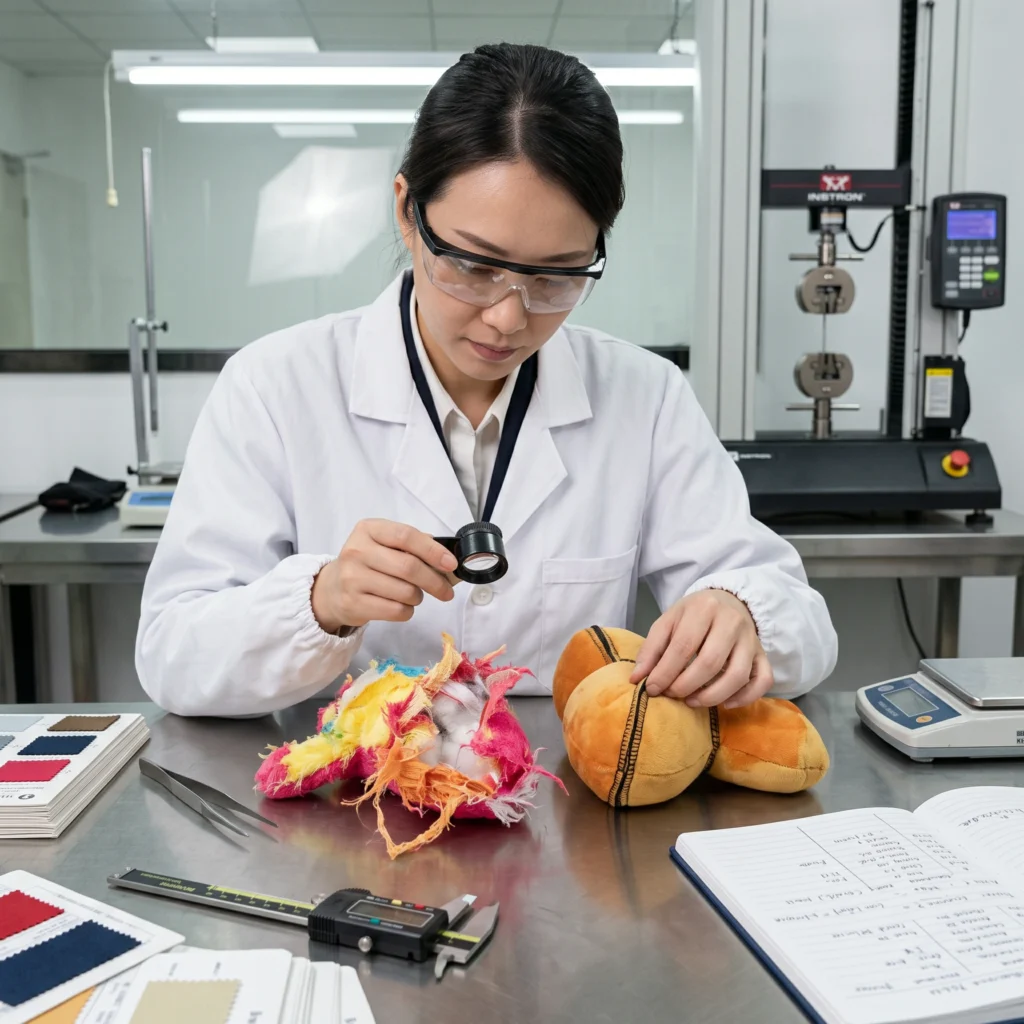
- Stress Testing: The strike-off is subjected to stretch tests to ensure the backing stabilizers hold and the ultrasonic cuts resist fraying.
- Mass Production: Upon final client approval, the digital file is pushed to our synchronized multi-head embroidery machines. For woven labels, the bulk label order is shipped to our sewing floor and integrated during the final stitching phase before the toys are stuffed and closed.
By controlling every variable—from the density of the damask weave to the tension of the embroidery thread—we ensure that your brand identity remains pristine even after months of aggressive play.
Realize Your Brand Vision with Wehaopets
Transitioning from a retailer to a recognized brand requires dependable manufacturing partners who understand the physics of pet toys and the economics of B2B commerce. We do not cut corners on stabilizers, we do not use low-density labels, and we enforce strict seam-anchorage rules.
Are you ready to elevate your product line and increase your market margins? Send our engineering team your vector logo (.AI/.EPS) along with your selected stock toy models. We will calculate the stitch count, analyze the fabric compatibility, and provide a precise quote for the most durable, cost-effective branding application.
Contact Us Today to Start Your Private Label Project
Frequently Asked Questions (FAQ)
1. Do you charge a digitizing fee for custom embroidery on private label dog toys?
Yes, there is typically a one-time digitizing fee ranging from $25 to $75, depending on the complexity and stitch count of your logo. This fee covers the engineering of the needle pathing file. However, for wholesale orders exceeding 2,000 units, we routinely waive this setup cost.
2. What is the Minimum Order Quantity (MOQ) for custom woven labels?
While the MOQ for our stock plush toys can be as low as 500 units, the textile machines that produce woven labels require a minimum run of 1,000 to 3,000 labels. We allow brands to purchase the bulk labels upfront (usually costing around $100-$150) and we will store the unused labels in our factory inventory for your future toy orders.
3. Will the custom embroidery pucker or distort on fuzzy plush toys?
No. Our factory utilizes specialized digitizing techniques tailored for high-pile fabrics. We use heavy-duty cut-away backing stabilizers beneath the fabric and water-soluble topping stabilizers above it. This ensures the plush fibers are held flat during stitching, resulting in a crisp, distortion-free logo.
4. Are your woven labels safe for aggressive chewers?
Absolutely. We mandate the use of ultrasonic cutting for all woven labels. This process melts the edges of the polyester label, preventing them from fraying. Furthermore, we use a loop-fold technique and anchor the label deep inside the toy’s primary structural seam with back-tacking, making it extremely difficult for a dog to tear out.
5. Does adding custom branding affect the delivery lead time of stock toys?
Adding custom embroidery or sewing in woven labels generally adds 7 to 10 days to the standard production lead time. This accounts for the strike-off approval process, the physical embroidery machine time, and the customized quality control checks required to verify label compliance and placement accuracy.