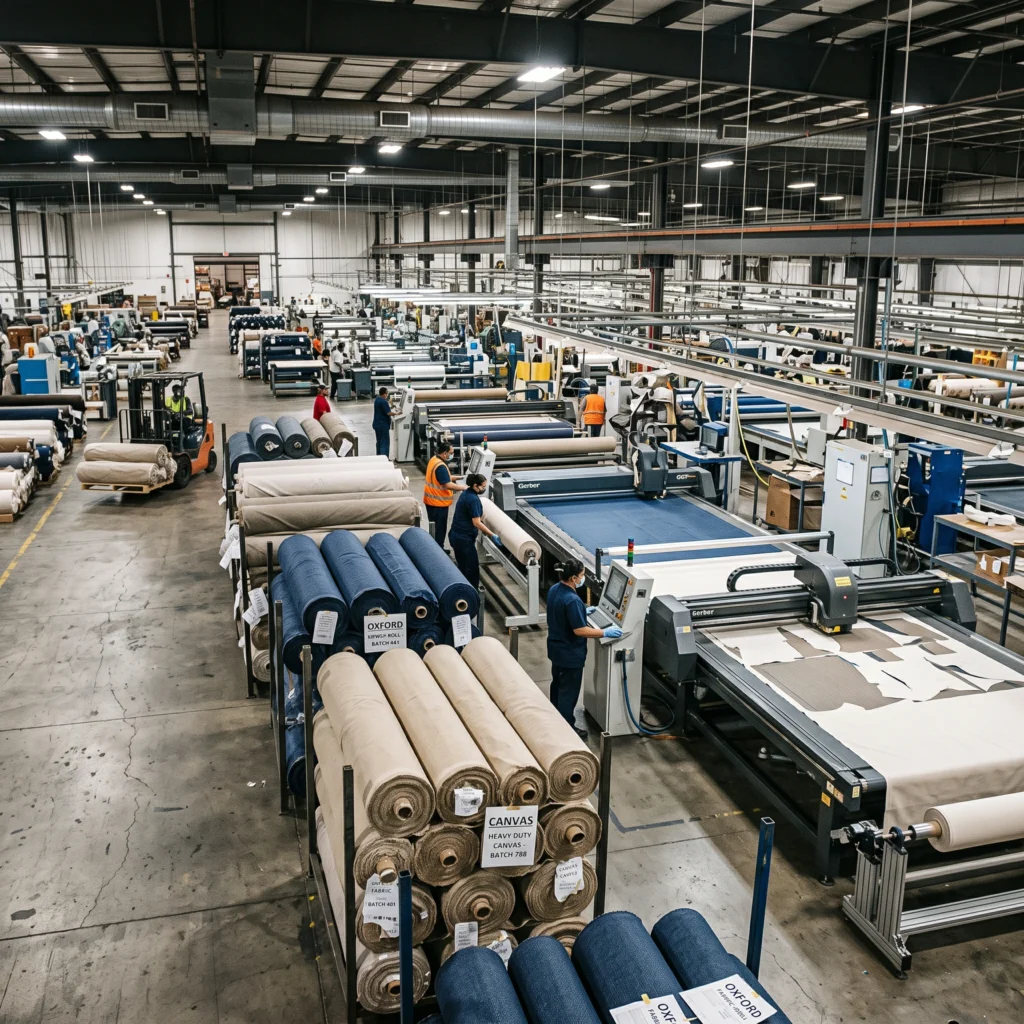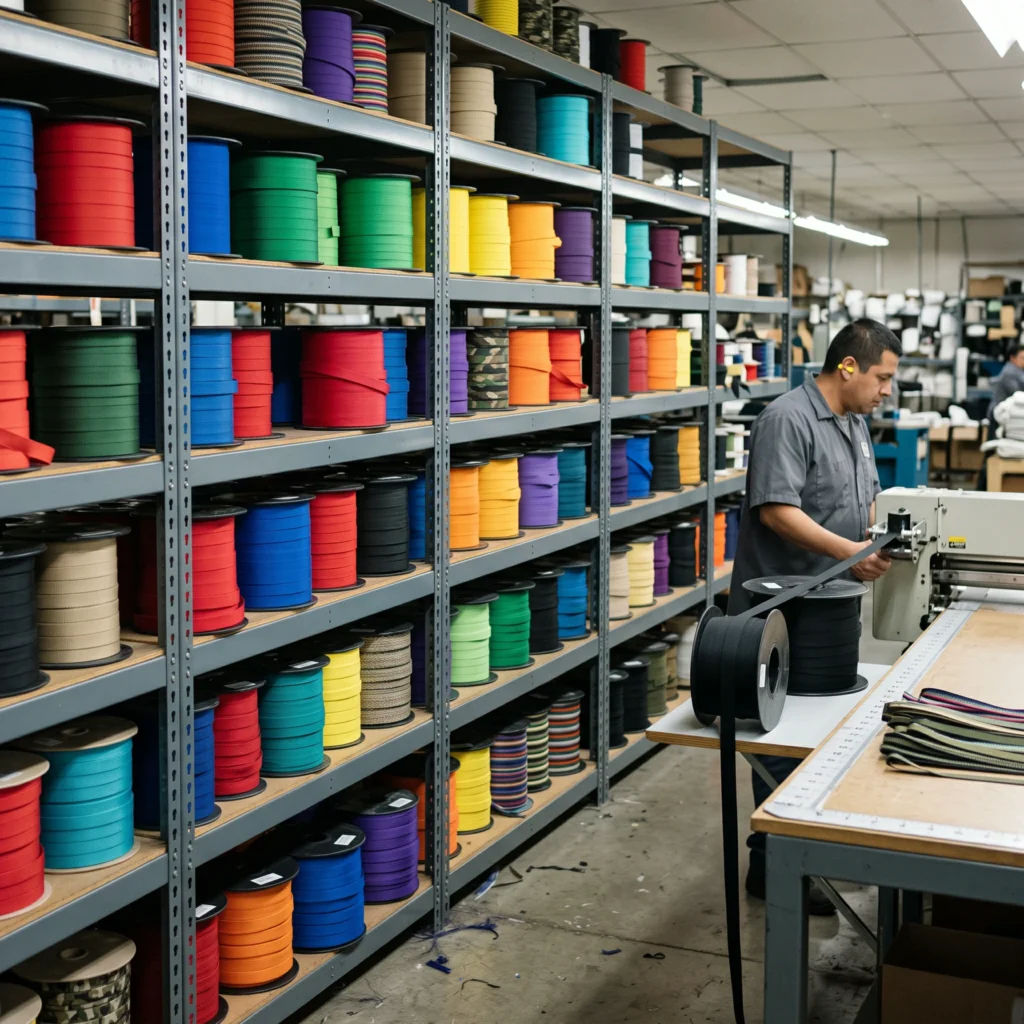
Overview: As a private label dog bed manufacturer, our B2B OEM/ODM business model relies on structural integrity to drive procurement ROI and limit defect rates. Target consumers require long-term joint support, meaning buyers must look beyond fabric aesthetics. This technical breakdown evaluates cellular foam architecture for wholesale dog mattresses, ensuring product viability and structural longevity.
Most procurement managers evaluate a wholesale dog mattress by running their hands over the outer plush fabric, assessing the GSM (Grams per Square Meter) and colorfastness. In our workshop, we operate differently. Before we ever evaluate the external textile, we zoom in on the microscopic cellular walls of the foam core and the 100% nylon bonded thread securing the internal waterproof encasement. If the foam’s IFD (Indentation Force Deflection) rating is mismatched with the target weight class, or if the internal seam allowance drops below 1.2 centimeters using anything less than a Size 16/100 needle, the structural integrity of the mattress will fail under dynamic load within 90 days. Under a magnifying loupe, you can see the fiber fraying at the seams when incorrect thread tension is applied over high-density foam. To prevent these failures, we must understand the chemical and physical mechanics of the raw materials before a single cut is made on the factory floor.
The Physics of Foam: Open-Cell vs. Closed-Cell Architecture
The foundational component of any orthopedic support system is the polyurethane (PU) matrix. During the exothermic chemical reaction between polyols and diisocyanates, the cellular structure formed dictates the mechanical properties of the final block.
Open-Cell Polyurethane (PU) Foam Mechanics
Open-cell foam consists of broken cell walls, allowing air to flow freely from one pocket to another. In the context of bulk orthopedic dog beds, this structural porosity provides crucial thermal regulation. When a load is applied, the air is expelled, and the foam compresses. The rate of compression and the subsequent recovery (hysteresis) depend entirely on the density, typically measured in kilograms per cubic meter (kg/m³).
While open-cell memory foam (viscoelastic polyurethane) offers excellent pressure point relief, it lacks the bottoming-out resistance required for heavier skeletal structures unless engineered with a high IFD rating. If a factory uses a low-density open-cell foam (e.g., 20 kg/m³) to cut costs, the cells will suffer from mechanical fatigue, leading to a permanent compression set where the foam loses its memory and remains flat.
Closed-Cell Foam Structural Integrity
Closed-cell foam, conversely, is manufactured so that the spherical cells remain completely intact and sealed, trapping gas within each microscopic bubble. This architecture renders the material highly resistant to liquid ingress and exponentially increases its load-bearing capacity.
In our engineering processes, closed-cell foam (like EVA or cross-linked PE) is rarely used as the primary sleep surface due to its rigidity and lack of airflow, which traps body heat. However, it is an essential material for the base layer of a multi-layer wholesale dog mattress. By laminating a 2-inch closed-cell base beneath a 3-inch high-density open-cell memory foam top, we engineer a composite core that prevents heavier animals from sinking through to the hard floor while maintaining surface compliance.
Technical Specification Comparison
The following table outlines the mechanical differences between the two foam variants as measured during our incoming raw material inspections.
| Specification Metric | Open-Cell PU Foam (High Density) | Closed-Cell Foam (PE/EVA) | Manufacturing Implication |
| Density Range | 25 kg/m³ – 50 kg/m³ | 30 kg/m³ – 120 kg/m³ | Dictates shipping weight and compression packaging viability. |
| IFD (Indentation Force Deflection) | 12 – 45 lbs | 50+ lbs (Highly rigid) | Determines the load necessary to compress the foam by 25%. |
| Thermal Conductivity | High (Breathable) | Low (Insulator) | Open-cell is required for the contact surface to dissipate heat. |
| Moisture Absorption | High (Requires liner) | Near Zero | Closed-cell resists liquid, ideal for external base layers. |
| Tensile Strength | 80 – 150 kPa | 300+ kPa | Closed-cell resists tearing during aggressive manufacturing processes. |
Raw Material Inspection in Our Workshop
Quality control does not begin at the end of the assembly line; it begins the moment the raw foam blocks arrive at our loading docks. Our production managers enforce strict protocols to ensure the chemical stability and physical resilience of the foam cores. When evaluating suppliers to integrate into our supply chain, we look directly at their compliance and testing data, which is a core tenet of our manufacturing philosophy outlined in our About Us documentation.
VOC Off-Gassing and Chemical Compliance
Freshly cured polyurethane foam emits Volatile Organic Compounds (VOCs). If foam blocks are cut and sealed into waterproof liners too quickly, these gasses become trapped, resulting in a noxious odor upon unboxing by the end-user. In our workshop, we mandate a minimum 72-hour curing and off-gassing period in a climate-controlled, ventilated staging area.
Furthermore, we ensure that all raw materials meet stringent international chemical safety standards. We require testing for restricted substances, including heavy metals, phthalates, and formaldehyde, ensuring the foam matrix is inert and safe for prolonged dermal contact.
Compression Set Testing
Before accepting a batch of foam, we conduct a compression set test. A sample is compressed to 50% of its original thickness and placed in an oven at 70°C (158°F) for 22 hours. After a 30-minute recovery period at room temperature, we measure the thickness. For premium bulk orthopedic dog beds, the permanent loss in thickness must not exceed 5%. If a batch yields a 10% compression set, it is rejected, as it will inevitably flatten under the sustained weight of a large animal within months of use.
To maintain our internal quality benchmarks, we evaluate incoming raw materials against four critical metrics:
- Specific Gravity Verification: Weighing core samples to confirm the exact density (kg/m³) matches the procurement specification.
- Tear Resistance Calibration: Measuring the force required to propagate a tear across the cellular matrix.
- Cellular Uniformity: Visual inspection under magnification to ensure no large air voids or chemical density anomalies exist within the block.
- Hysteresis Loss: Calculating the energy absorbed by the foam during a loading and unloading cycle to guarantee maximum rebound.
Cutting and Shaping: Precision Engineering
Once the foam has cured and passed incoming inspection, it moves to the cutting floor. The dimensional accuracy of the foam core is paramount; a core that is cut even 5mm too large will cause the external fabric cover to pucker and warp, while a core cut too small will shift inside the liner, causing seam stress.
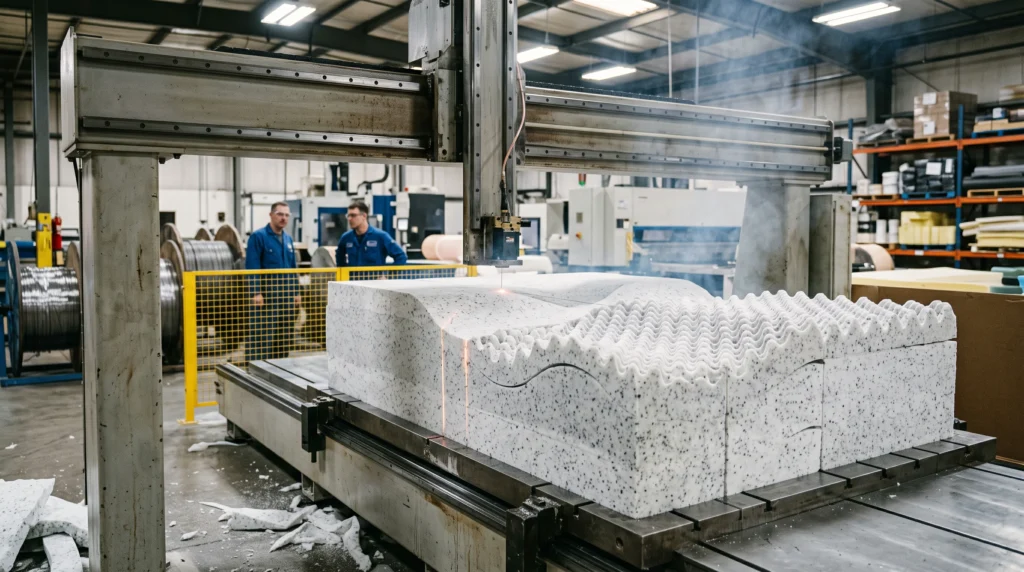
CNC Routing vs. Vertical Band Saws
For flat, slab-style orthopedic beds, we utilize automated vertical band saws equipped with micro-serrated blades. The blade tension must be precisely calibrated to prevent friction melting, particularly when cutting denser foams.
For convoluted (egg-crate) designs or beds with integrated bolsters, we deploy CNC (Computer Numerical Control) wire profiling machines. These machines follow precise CAD schematics to carve complex geometries out of solid blocks. This allows us to create a continuous orthopedic surface with elevated edges without relying on chemical adhesives to attach separate bolster pieces, thereby eliminating a potential point of structural failure.
Addressing Edge Fraying and Beveling
A sharp 90-degree angle on a foam core creates a stress concentrator on the internal seams of the fabric cover. Under pressure, the rigid edge of the foam continuously rubs against the stitching. To mitigate this, our cutting technicians program a slight bevel (chamfer) onto the upper edges of the foam cores. This minor architectural modification distributes the friction across a wider surface area of the fabric, drastically extending the lifespan of the outer shell.
Assembly: Marrying Foam to Fabric
The integration of the engineered foam core into its protective casing is where many B2B orders fail in standard facilities. A premium foam block is useless if the internal liner tears or the external zipper blows out under pressure.
Thread Selection and Stitch Pitch
When sewing heavy canvas, Cordura, or TPU-backed waterproof liners over dense foam, our sewing operators have to recalibrate machine tension for every specific textile. We abandon standard polyester threads in favor of 100% nylon bonded thread (typically 210D/3 or heavier). Bonded nylon resists the high friction and heat generated by industrial sewing needles passing through multi-layered, coated fabrics.
We meticulously control the stitch pitch (stitches per inch – SPI). A pitch that is too tight will perforate the waterproof backing like a postage stamp, causing it to tear along the seam under a dynamic load. A pitch that is too loose will result in “seam grinning,” where the tension separates the fabric panels, exposing the thread to external abrasion.
Waterproof Liners and Barrier Coatings
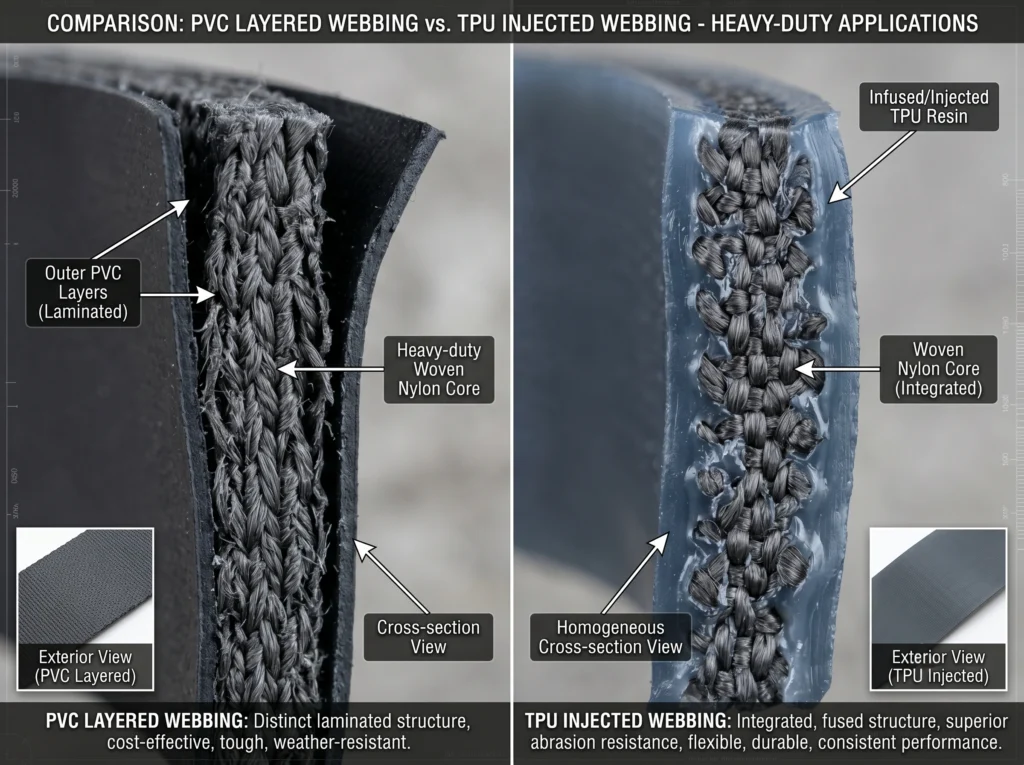
For orthopedic beds, fluid ingress is catastrophic to the open-cell PU foam matrix. Urine or saliva will break down the cell walls, leading to rapid bacterial colonization and structural collapse. Therefore, the foam core must be encased in a hydrostatic barrier. We utilize TPU (Thermoplastic Polyurethane) laminated textiles rather than traditional PVC, as TPU offers superior flexibility and does not off-gas or harden over time.
| Assembly Component | Specification Standard | Workshop Implementation Protocol |
| Needle Size | Metric Size 16/100 to 18/110 | Exchanged every shift to prevent burring and fabric runs. |
| Thread Composition | Bonded Nylon (210D/3) | Silicone lubricated to prevent thread breakage during high-speed sewing. |
| Stitch Density (SPI) | 8 to 10 Stitches Per Inch | Continuously monitored to prevent micro-perforation of waterproof linings. |
| Seam Allowance | 1.2 cm minimum | Enforced via physical machine guides; overlocked internally to prevent fraying. |
| Closure Hardware | Auto-Locking YKK Sliders | Zipper tape is double-stitched; slider locks when tension is released to prevent migration. |
Quality Control: The AQL 1.5 Standard
Before our wholesale dog beds are approved for global export, they must survive rigorous physical testing. We enforce a strict AQL (Acceptable Quality Limit) 1.5 standard for major defects, ensuring our B2B partners receive flawless inventory.
Dynamic Fatigue Testing
To simulate years of use, random samples from the assembly line are subjected to dynamic fatigue testing. A heavy mechanical roller repeatedly compresses the fully assembled bed thousands of times. Following the test, we measure the overall thickness and calculate the hysteresis loss. If the foam has bottomed out, or if the internal seams of the waterproof liner have burst under the pneumatic pressure, the entire production batch is halted and quarantined for review.
Seam Strength and Hydrostatic Head Testing
We do not rely on visual inspections alone for seam integrity. Samples are placed in a tensile testing machine (Instron) that pulls the fabric panels apart in opposite directions. The seam must withstand a specific Newton force before the thread snaps or the fabric tears.
Additionally, the internal waterproof liners undergo hydrostatic head testing. A column of water applies increasing pressure to the fabric surface. The material must resist penetration up to 5000mm of water pressure to be certified for our heavy-duty lines.
During our final QC phase, inspectors verify the following four critical failure points:
- Zipper Integrity: Ensuring smooth operation across corners without catching on the internal seam binding.
- Dimensional Accuracy: Verifying the finished, stuffed bed matches the CAD specifications within a +/- 1.5 cm tolerance.
- Cover Tension: Confirming the external fabric sits taught over the foam without sagging or excessive stretching.
- Odor Profiling: Conducting olfactory tests to ensure zero lingering VOC emissions prior to final packaging.
Packaging and Logistics for Bulk Orthopedic Dog Beds
The final hurdle in OEM/ODM manufacturing is logistics. Orthopedic beds composed of high-density foam are incredibly voluminous, meaning shipping them fully expanded destroys B2B profit margins due to exorbitant CBM (Cubic Meter) ocean freight charges.
Vacuum Compression Dynamics
To solve the logistical bottleneck, we utilize industrial vacuum compression machines. The beds are placed into thick PE (Polyethylene) bags, and a pneumatic press extracts the ambient air while applying downward force, flattening the bed.
However, vacuum compression is violent. If a factory uses inferior, low-density open-cell foam, the cellular walls will fracture under the extreme pressure of the press. Upon arrival and unboxing, the bed will remain permanently deformed. Because we engineer our cores using high-density PU foam (minimum 30 kg/m³ for base layers), the cellular matrix survives the compression process intact.
Recovery Time and Structural Memory
Once the vacuum seal is broken, atmospheric pressure rushes back into the open-cell structure. Our highly engineered foams achieve 90% recovery within 2 hours and 100% recovery within 48 hours at standard room temperature. The closed-cell laminated bases do not compress significantly during vacuuming, ensuring the foundational rigidity remains perfectly preserved during transit.
| Foam Density | Compression Method | Volume Reduction | 48-Hour Recovery Rate |
| Low Density (<20 kg/m³) | Flat Press | 80% | 75% (Permanent cellular damage) |
| Medium Density (25 kg/m³) | Roll Packed | 65% | 92% (Slight corner deformation) |
| High Density (35+ kg/m³) | Flat Press & Vacuum | 70% | 100% (Full structural return) |
| Composite (Open/Closed Cell) | Flat Press & Vacuum | 60% | 100% (Base layer retains original shape) |
Conclusion
Procuring reliable bulk orthopedic dog beds requires looking past the surface textiles and understanding the mechanical engineering of the foam core and assembly processes. By mandating exact IFD ratings, utilizing proper closed-cell/open-cell composite laminations, and enforcing rigorous tension and thread standards on the sewing floor, procurement managers can eliminate defect rates and guarantee product longevity. When the internal chemistry and physical construction are respected, the resulting product will effortlessly withstand the rigors of global distribution and long-term use.
Frequently Asked Questions (FAQ)
What is the optimal IFD rating for bulk orthopedic dog beds?
The optimal Indentation Force Deflection (IFD) rating depends strictly on the target weight class of the animal. For medium to large breeds requiring orthopedic support, a core foam IFD rating between 35 and 45 lbs is standard. This provides enough resistance to prevent the animal’s skeletal structure from bottoming out against the floor, while still allowing surface compliance.
If the IFD is too low (e.g., under 20 lbs), the foam will rapidly suffer from mechanical fatigue and permanent compression sets. Therefore, aligning the IFD specification with the intended use-case is the most critical step during the OEM/ODM prototyping phase.
How does vacuum compression affect the cellular structure of open-cell foam?
Industrial vacuum compression exerts massive pneumatic force, expelling all air from the open-cell matrix. If the polyurethane foam has a low specific gravity (low density), the cellular walls are inherently thin and brittle. Under the pressure of the vacuum press, these walls fracture and collapse, meaning the foam will never fully recover its original shape when unboxed.
Conversely, high-density foam possesses robust cell walls that bend rather than break under compression. This structural memory allows the material to survive the transatlantic shipping process while compressed, fully regaining its engineered dimensions within 24 to 48 hours of ambient air exposure.
Can closed-cell foam be effectively laminated to open-cell foam?
Yes, laminating closed-cell foam (like EVA) to open-cell PU foam is an excellent engineering strategy for heavy-duty orthopedic mattresses. The closed-cell base provides a rigid, waterproof foundation that absolutely prevents bottoming out, while the open-cell upper layer provides necessary pressure relief and thermal dissipation.
The critical factor during manufacturing is the adhesive application. We utilize eco-friendly, water-based industrial adhesives applied in an even, micro-sprayed layer to ensure a permanent bond without restricting the flexibility of the boundary line or introducing toxic VOCs into the foam matrix.
What are the REACH compliance requirements for polyurethane foam?
REACH (Registration, Evaluation, Authorisation and Restriction of Chemicals) is a European Union regulation that strictly dictates the acceptable limits of chemical substances in manufactured goods. For polyurethane foam, REACH compliance primarily targets the elimination of specific hazardous flame retardants, heavy metals, and harmful phthalates utilized during the curing process.
Ensuring compliance requires documented testing from certified third-party laboratories. Foam that fails REACH testing poses severe liability risks, including shipment rejection at customs and long-term health risks regarding dermal contact and inhalation.
How do we prevent mold growth in wholesale dog mattresses during ocean transit?
Mold requires moisture, warmth, and organic material to propagate. During prolonged ocean freight in shipping containers, temperature fluctuations create condensation (container rain). Because open-cell foam acts like a sponge, it can absorb this ambient moisture, creating a perfect environment for fungal colonization.
To prevent this, our logistics protocol involves strict moisture control. The foam must be fully cured and completely dry before packaging. We utilize heavy-duty PE vacuum bags to completely seal the mattress from external atmospheric moisture, and we strategically insert industrial desiccant packs (silica gel) into the master cartons to aggressively absorb any residual humidity.
What is the standard compression set percentage over a 12-month period?
Compression set measures the permanent deformation of foam after sustained loading. For commercial-grade orthopedic mattresses, a high-quality, high-density PU foam should exhibit a compression set of less than 5% to 8% over a simulated 12-month lifecycle of continuous dynamic loading.
If a factory cuts corners by introducing excessive fillers (like calcium carbonate) into the chemical mix to artificially inflate the foam’s weight, the compression set will skyrocket. These adulterated foams will flatten by 15% to 25% within just a few months, completely destroying the orthopedic value of the product.
How does thread denier impact the seam strength of the internal foam liner?
The internal liner protects the foam core, and its seams are subjected to immense outward pneumatic pressure when weight is rapidly applied to the bed. If standard 40-weight polyester apparel thread is used, the outward pressure of the compressing air will instantly snap the thread, causing seam blowout.
We utilize bonded nylon thread with a heavy denier (such as 210D/3). The bonding process coats the nylon fibers in a specialized resin, drastically increasing tensile strength and preventing the thread from untwisting or fraying under the friction of heavy-duty industrial sewing machines. This ensures the structural integrity of the internal liner far exceeds the maximum applied load.
Let’s Engineer Your Next Product Line
Is your current supply chain struggling with foam compression failures, torn internal liners, or exorbitant shipping volumes? Do not allow subpar raw materials to compromise your brand’s reputation in the competitive pet sector. From precision IFD calibration to AQL 1.5 assembly standards, our facility engineers products designed for longevity. Reach out today to request material swatch books, discuss OEM prototyping, or contact our wholesale team for custom volumetric freight solutions.