Overview: For bulk procurement of heavy-duty dog beds, evaluating materials strictly by FOB unit price is a mathematical trap. This guide demonstrates that while Oxford cloth offers superior cutting yield rates and lower defect margins during automated processing, heavy canvas provides distinct advantages in specialized, high-abrasion environments. Your ultimate material choice must align with Total Cost of Ownership (TCO) rather than raw fabric cost.
The Procurement Dilemma: Hidden Costs of Sub-Optimal Materials
When procuring wholesale dog beds bulk for international markets, the initial material quotation is only a fraction of the financial equation. Choosing a marginally cheaper backing material—such as opting for standard PVC over TPR or lower-denier synthetics—might save $0.10 to $0.25 per unit on the raw FOB cost. However, a 15% defect rate discovered during winter shipping due to material cracking, coupled with a 5% increase in cutting room waste, fundamentally destroys the projected profit margin.
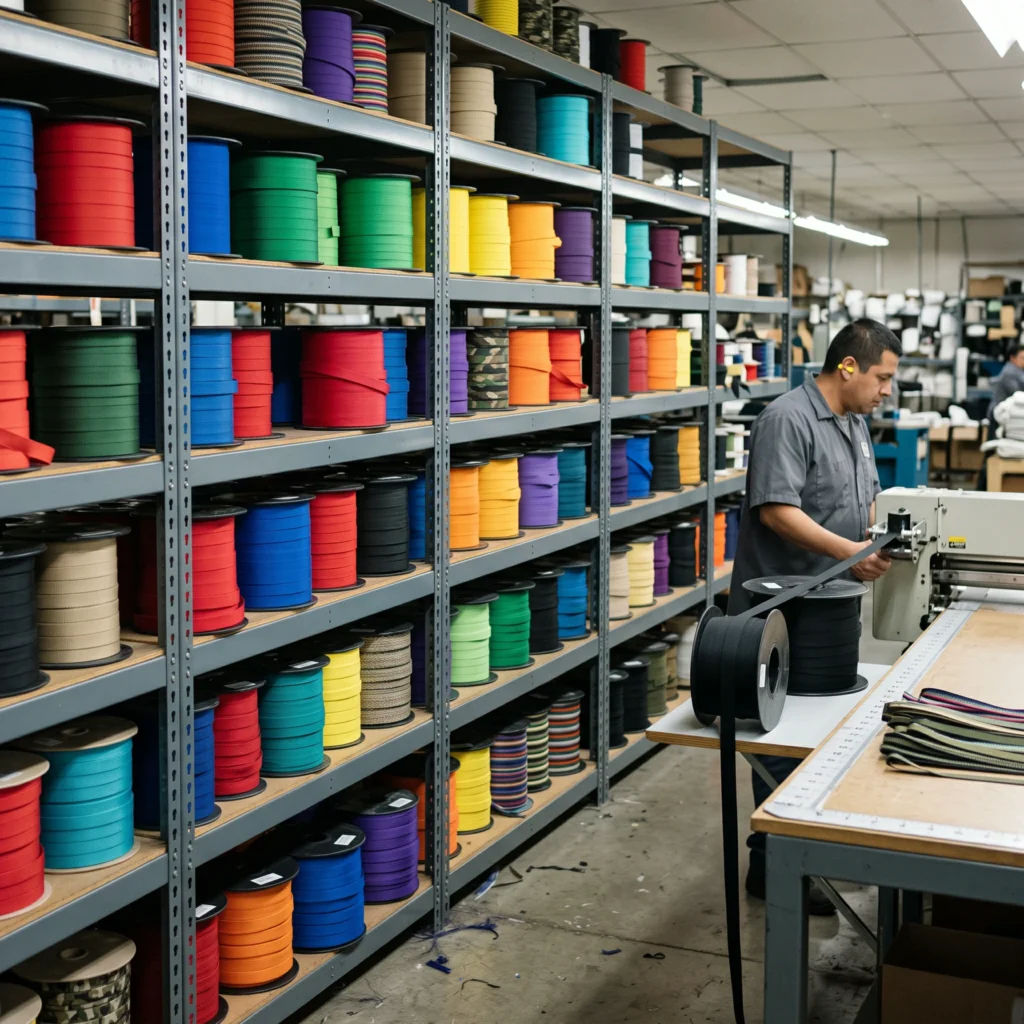
In our workshop, we continuously audit the actual factory floor economics associated with different textiles. We see firsthand how machine downtime, dyeing vat minimums (MOQ), and needle wear dictate the true cost of production. When European and North American procurement managers assess a durable dog bed material, they must look beyond the swatches. They need to understand how the fabric behaves under tension, how it reacts to industrial cutting lasers, and how its coating withstands compression during prolonged shipping. This article breaks down the granular, factory-level cost efficiencies of Oxford cloth versus traditional cotton canvas.
Material Science and Base Yield Rates
To accurately project manufacturing costs, we must establish a baseline understanding of how synthetic and natural fibers perform under industrial stressors.
Oxford Cloth (Polyester/Nylon Blends)
Oxford cloth is engineered through a basket weave structure, typically utilizing polyester or nylon threads. In heavy-duty applications, we frequently process 600D, 900D, or 1200D (Denier) variants. The synthetic nature of Oxford cloth translates to exceptional dimensional stability. When loaded onto our automated fabric spreaders, Oxford exhibits minimal warping or bias stretching. This stability directly impacts the yield rate. Because the fabric maintains its geometric integrity, our nesting software can position pattern pieces within millimeters of each other, drastically reducing edge waste.
Canvas (Cotton and Cotton-Poly Blends)
Heavy-duty canvas, traditionally woven from cotton or a cotton-polyester blend, relies on thick yarns and a tight, plain weave. Common industrial weights range from 10oz to 16oz per square yard. While canvas offers unparalleled breathability and a premium, rugged texture highly sought after in premium retail tiers, it introduces specific challenges in mass production. Natural fibers are susceptible to micro-variations in thickness and tension. During high-speed unrolling, canvas can exhibit slight skewing, necessitating wider buffer zones between nested pattern pieces to prevent dimensional inaccuracies in the final product.
Table 1: Raw Material Characteristics & Baseline Production Metrics
| Metric / Material | 900D Oxford Cloth (PVC Coated) | 12oz Cotton Canvas (Uncoated) | Factory Floor Impact |
| Tensile Strength (Warp/Weft) | Extremely High | Moderate to High | Dictates resistance to tearing during industrial stuffing processes. |
| Dimensional Stability | High (< 1% variance) | Moderate (2-4% variance) | Determines edge waste and nesting efficiency on automated cutters. |
| Cutting Yield Rate | 92% – 94% | 85% – 88% | Directly correlates to the volume of raw material required per 10,000 units. |
| Abrasion Resistance | > 20,000 (Martindale test) | ~15,000 (Martindale test) | Impacts long-term product durability and warranty claims. |
| Moisture Absorption | Low (Hydrophobic) | High (Hydrophilic) | Influences post-processing requirements for mold prevention during sea freight. |
Factory Floor Economics: Weaving, Coating, and Cutting
The transition from raw fiber to a finished, heavy-duty pet bed involves multiple processing stages, each carrying specific economic weights. As a custom pet bed manufacturer, we track these micro-costs meticulously.
Dyeing Vat Minimums (MOQ) and Color Consistency
When planning mass production runs of 50,000 units or more, color consistency across different fabric batches is critical. Oxford cloth, being synthetic, requires disperse dyeing under high temperature and pressure. The dyeing vat minimums are generally larger, but the colorfastness and batch-to-batch consistency are highly predictable. Canvas relies on reactive dyes. Natural fibers take dye beautifully, but they are subject to slight tonal variations depending on the cotton crop and ambient humidity during the dyeing process. To mitigate this, we must often over-order canvas from the same dye lot by 3-5% to ensure a uniform color profile across a large OEM order, representing an upfront capital absorption.
Automated Cutting Efficiency and Edge Waste
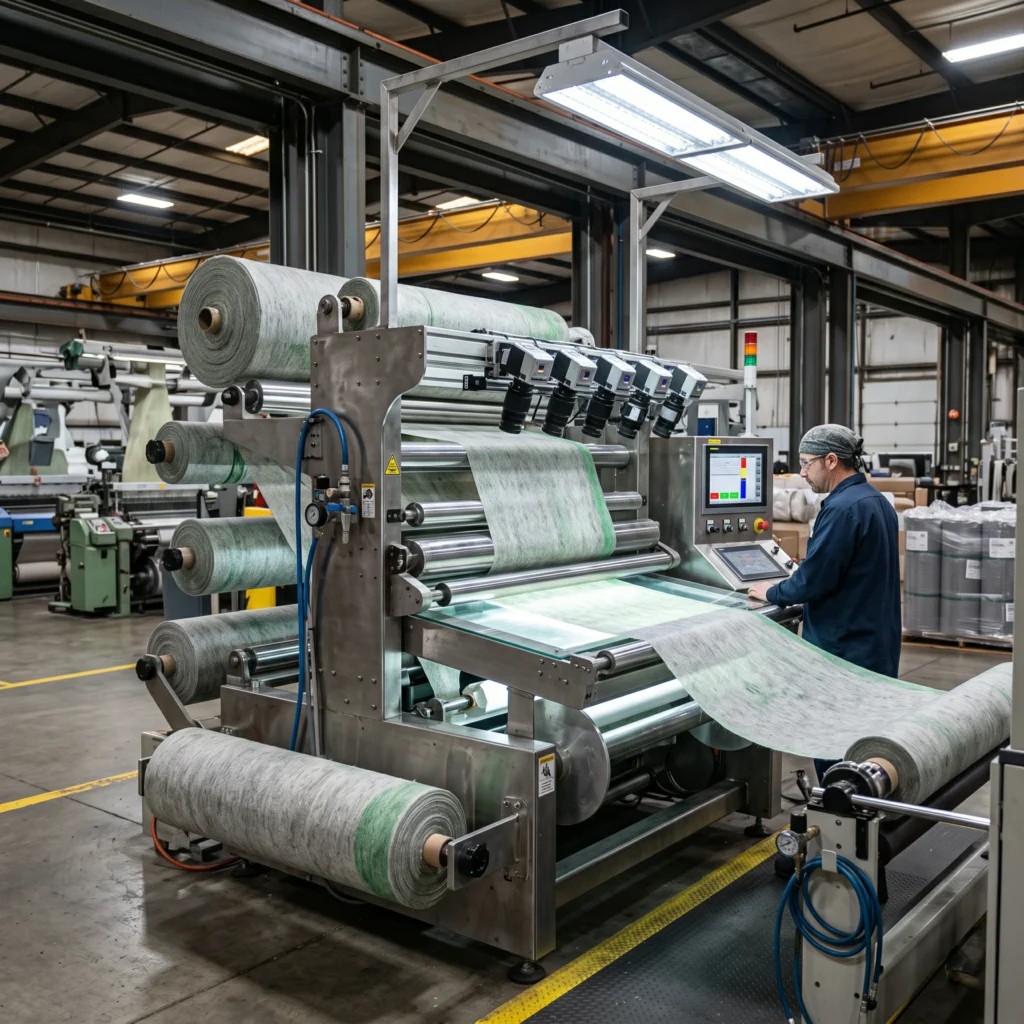
In our mass production runs, precision is profitability. Our automated fabric cutters, equipped with high-speed oscillating blades, process Oxford cloth with surgical accuracy. The synthetic fibers cut cleanly, and the edges self-seal slightly due to the friction heat, preventing fraying. This allows us to reduce edge waste by 8% compared to traditional methods. Canvas, conversely, generates significantly more lint and dust during cutting. This necessitates more frequent machine cleaning and blade replacements, increasing operational downtime. Furthermore, the inherent tendency of natural canvas edges to fray requires our sewing operators to utilize overlock stitching or binding tape on internal seams, adding both material and labor costs to the assembly line.
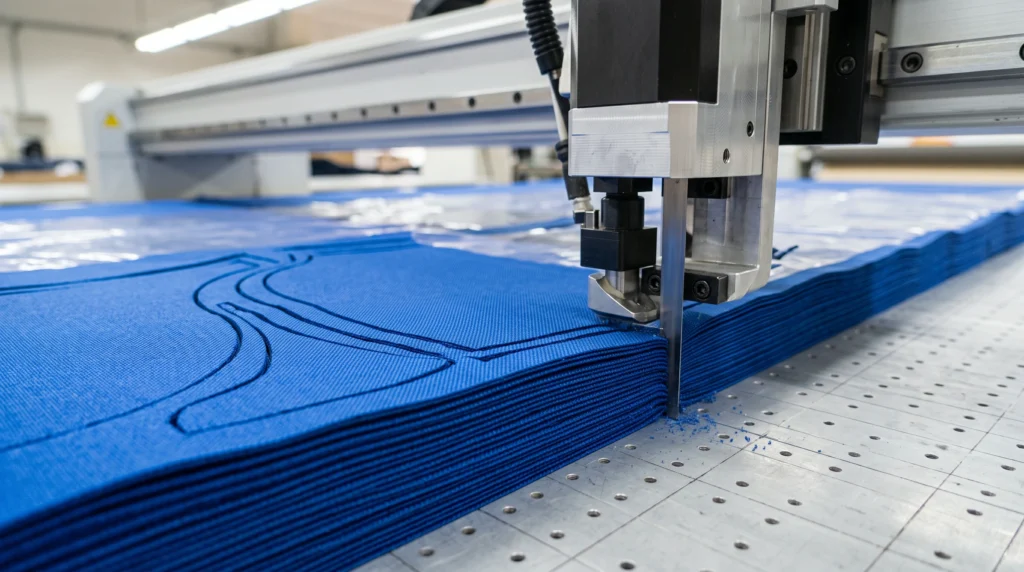
Table 2: Cutting Waste and Machine Downtime in Mass Production (Per 10,000 Units)
| Operational Metric | Oxford Cloth Processing | Canvas Processing | Cost Implication (Estimated) |
| Blade Replacement Frequency | Every 80 production hours | Every 45 production hours | Increased tooling costs and maintenance downtime for canvas. |
| Average Edge Waste (Scrap) | 6% – 8% | 12% – 15% | Higher raw material consumption for canvas layouts. |
| Dust Extraction Maintenance | Minimal (Standard protocol) | High (Requires bi-daily filter clearing) | Increased labor hours allocated to machine maintenance. |
| Nesting Buffer Requirement | 2mm – 3mm | 5mm – 8mm | Reduced number of units yielded per standard fabric roll. |
Coating Defect Rates and Post-Processing Costs
Heavy-duty dog beds demand weather resistance and structural reinforcement. The application of waterproof coatings drastically alters the economic profile of both textiles.
Polyurethane (PU) vs. PVC Backing on Oxford
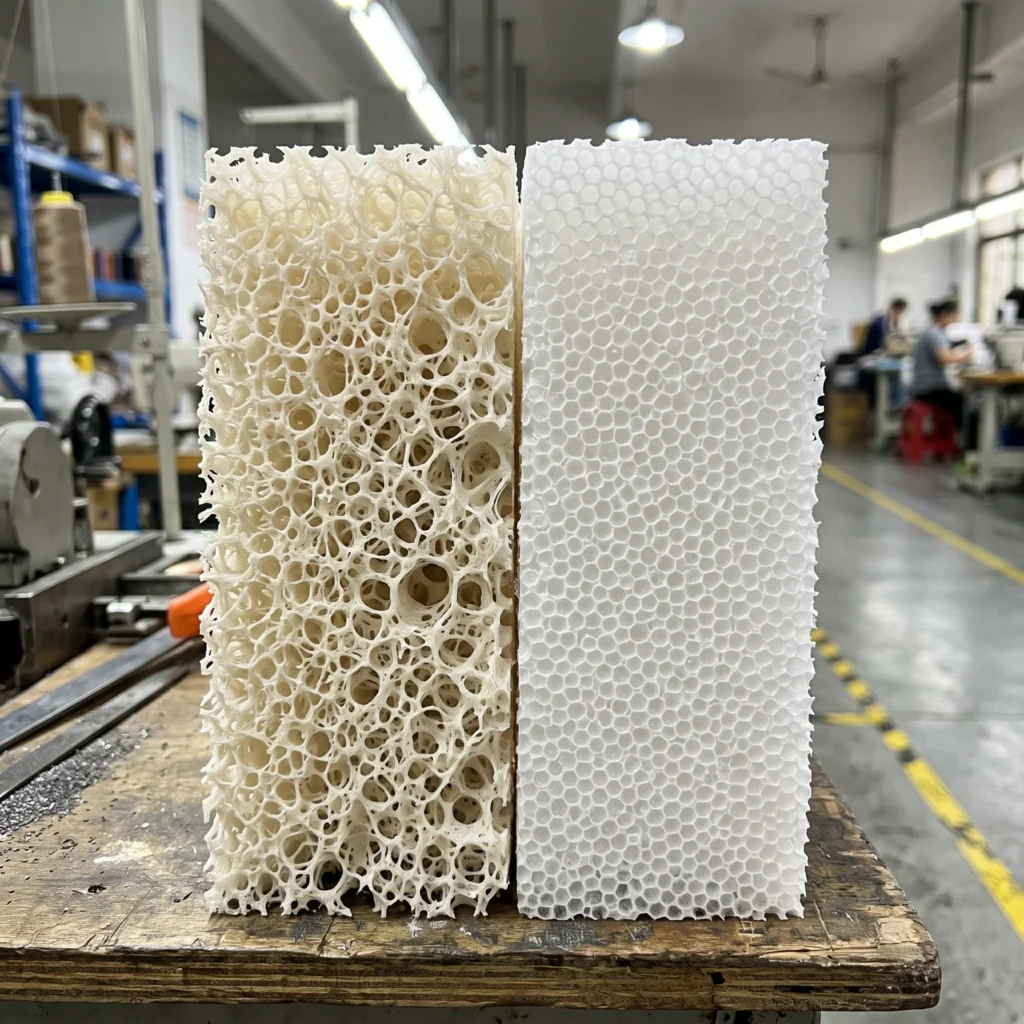
Oxford cloth is typically backed with either Polyurethane (PU) or Polyvinyl Chloride (PVC). While PVC is cheaper, it is rigid and susceptible to cold-cracking. If a shipment of PVC-backed beds is transported via ocean freight during winter, the defect rate upon arrival can spike to 10-15%. In our factory, we heavily advocate for PU or Thermoplastic Rubber (TPR) coatings for European and North American clients. PU maintains flexibility at sub-zero temperatures, ensuring a near 0% cold-weather defect rate. The slight increase in FOB cost for PU is immediately offset by the elimination of RMA (Return Merchandise Authorization) claims.
Wax and Waterproofing Treatments for Canvas
Waterproofing cotton canvas requires intensive post-processing, typically involving wax emulsions or heavy chemical DWR (Durable Water Repellent) sprays. These treatments add significant weight to the fabric, increasing freight costs. Furthermore, wax-treated canvas has a higher defect margin during the stitching phase, as the wax can build up on sewing machine needles, leading to skipped stitches and requiring constant needle cleaning with specialized solvents.
- Quality Control Protocols for Coated Fabrics in Our Workshop:
- Hydrostatic Head Testing: Ensuring water column resistance exceeds 2000mm.
- Cold Flex Testing: Subjecting coated samples to -20°C for 48 hours to check for micro-fractures.
- Seam Slippage Testing: Verifying that needle perforations do not compromise the waterproof membrane.
- Adhesion Testing: Measuring the peel strength of the PU/PVC backing from the base fabric to prevent delamination.
Assembly Line Velocity and Needle Wear
The physical thickness and density of heavy-duty materials dictate the velocity of the assembly line.
Stitching heavy 16oz canvas requires heavy-duty industrial sewing machines equipped with size 22 or 24 needles and robust walking feet. The density of the cotton fibers creates immense friction. Operators must reduce sewing speed by approximately 15-20% compared to sewing Oxford cloth to prevent needle overheating and thread breakage.
Conversely, 900D Oxford, while incredibly strong in tensile strength, is relatively smooth and less dense than heavy canvas. Our operators can maintain higher RPMs on the sewing machines, increasing daily throughput. When calculating the final FOB price, this differential in labor time per unit is a critical variable.
Table 3: Total Cost of Ownership (TCO) Projection for 50,000 Units (FOB to Final Delivery)
Note: Hypothetical baseline calculation for comparative purposes, based on a standard large rectangular heavy-duty bed.
| Cost Variable | 900D PU-Coated Oxford | 12oz Waxed Cotton Canvas | Analysis |
| Raw Material & Coating | Baseline ($X) | + 22% over Baseline | Canvas requires specialized waterproofing treatments. |
| Manufacturing Labor (Time) | Baseline (Y minutes/unit) | + 18% Labor Time | Slower sewing speeds and overlocking required for canvas. |
| Defect Rate (Production) | < 1.5% | 3.5% | Higher waste due to skewing and needle thread breaks in canvas. |
| Ocean Freight (Weight) | Standard | + 15% Heavier | Waxed canvas significantly increases container payload weight. |
| Estimated TCO Differential | Optimized | + 25% to 30% | Canvas serves premium niches but carries a much higher TCO. |
Aligning Material with Market Positioning
The decision between Oxford cloth and canvas is not a matter of one being universally superior; it is about aligning the material’s structural realities with your target market’s price elasticity.
For highly competitive e-commerce environments where volume and margin are paramount, PU-coated Oxford cloth is the undisputed leader in cost-efficiency. Its high yield rates, low processing waste, and rapid assembly velocity make it the rational choice for scaling operations. Heavy canvas remains a vital material for legacy brands and premium boutique labels where the raw, organic aesthetic justifies the higher Total Cost of Ownership and slower production cycles.
By understanding the granular details of dyeing vat minimums, automated cutting metrics, and needle friction, procurement teams can move past superficial fabric selections and build truly profitable, scalable product lines.
Frequently Asked Questions (FAQ)
1. What is the standard denier rating recommended for heavy-duty wholesale dog beds, and how does it affect cost?
For commercial-grade heavy-duty dog beds, we strongly recommend 600D to 900D Oxford cloth. Denier measures the thickness of the individual fibers. While 1200D offers extreme durability, it significantly increases the raw material cost and slows down the sewing process due to its rigidity. 900D provides the optimal balance of high tensile strength, acceptable cutting yield, and cost-efficiency for bulk manufacturing.
2. How does the choice between PU and PVC coating on Oxford cloth impact shipping defect rates?
PVC is a cost-effective waterproofing layer, but it becomes brittle at lower temperatures, leading to cold-cracking during winter sea freight or unheated warehouse storage. PU (Polyurethane) remains flexible in sub-zero conditions. Upgrading to PU coating slightly increases the FOB unit cost but virtually eliminates temperature-related defect rates, making it far more cost-efficient in the Total Cost of Ownership.
3. Why does canvas generally have a lower cutting yield rate compared to synthetic Oxford cloth in automated manufacturing?
Natural cotton canvas is prone to micro-variations in tension and dimensional skewing during the unrolling and spreading process. To prevent pattern misalignment, nesting software must allocate larger buffer zones between cut pieces. Furthermore, canvas edges fray heavily, requiring wider seam allowances. These factors combined result in higher raw material waste and a lower overall yield rate compared to highly stable synthetic Oxford.
4. How do minimum order quantities (MOQ) differ between custom-dyed Oxford and Canvas?
Oxford cloth requires high-temperature, high-pressure disperse dyeing, which utilizes large industrial vats. Therefore, the MOQ for custom Pantone-matched Oxford is typically higher (often 1000-2000 meters per color). Canvas uses reactive dyes in smaller batches, allowing for slightly lower MOQs. However, canvas struggles more with batch-to-batch color consistency, often requiring over-ordering to ensure uniformity across a large production run.
5. Can factory floor downtime be quantified when switching production from Oxford to heavy canvas?
Yes. Processing heavy canvas increases machine downtime primarily due to dust accumulation and needle wear. Canvas cutting generates significant lint, requiring automated cutters to halt for filter cleaning. On the sewing line, the friction of heavy cotton necessitates a 15-20% reduction in stitching speed and more frequent needle replacements compared to processing smooth, synthetic Oxford cloth.
6. What testing standards should procurement managers demand for durable dog bed materials?
Procurement managers should require standard international testing metrics. Key tests include the Martindale test for abrasion resistance (targeting >20,000 cycles for heavy-duty), the Elmendorf tear test for puncture and tear resistance, and ISO standard tests for colorfastness to washing and light. Ensuring the factory adheres to these metrics guarantees the material matches the technical specifications quoted.
7. How does the weight differential between Oxford and waxed canvas affect international freight costs?
Waxed or chemically treated heavy-duty canvas is significantly denser and heavier per square yard than PU-coated Oxford cloth. When loading a 40HQ container, the increased weight of canvas beds can lead to maxing out the container’s weight limit before its volume capacity is reached. This results in higher per-unit shipping costs, heavily impacting the landed cost for international buyers.
Call to Action
Ready to optimize your profit margins without sacrificing product durability? Let our engineering team analyze your technical specifications and provide a detailed cost-efficiency breakdown for your next production run. Please contact our wholesale team to request a comprehensive material swatch book and receive transparent, factory-direct bulk pricing tailored to your target market.