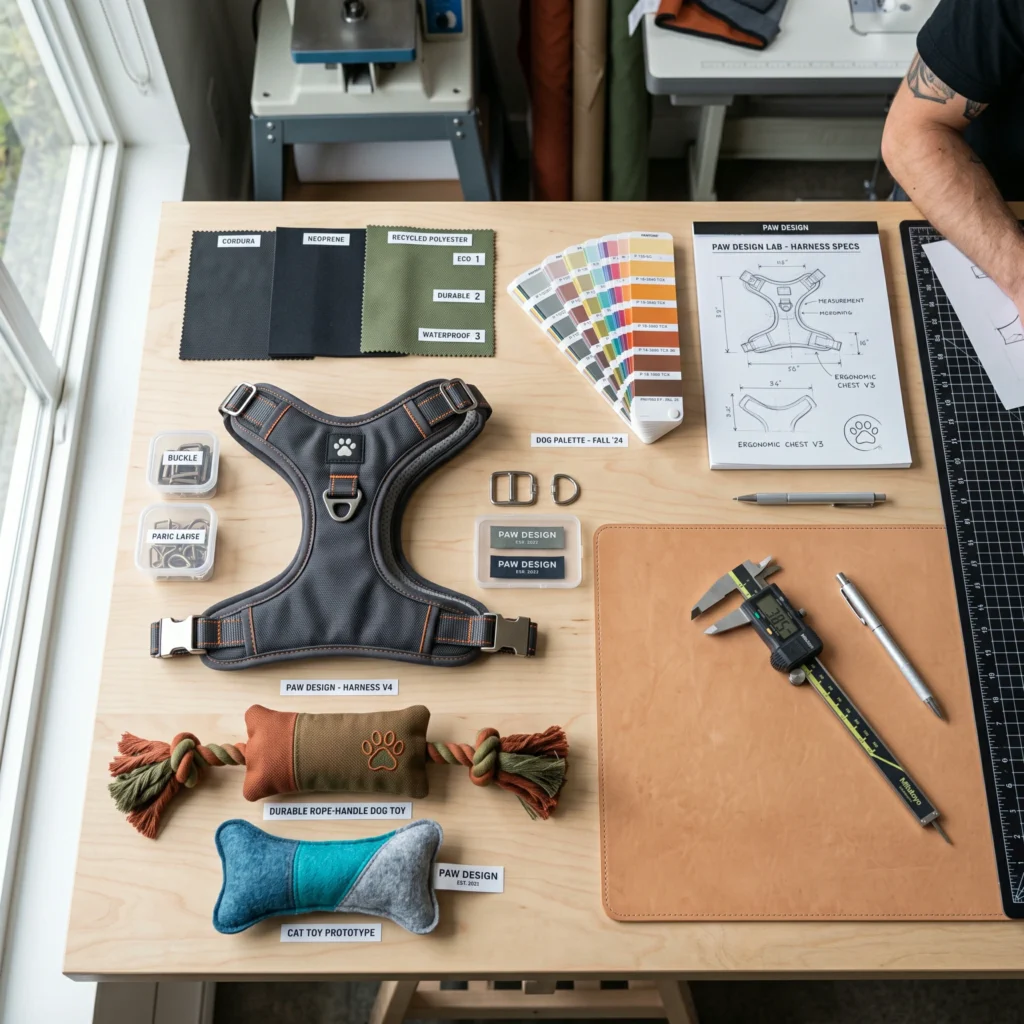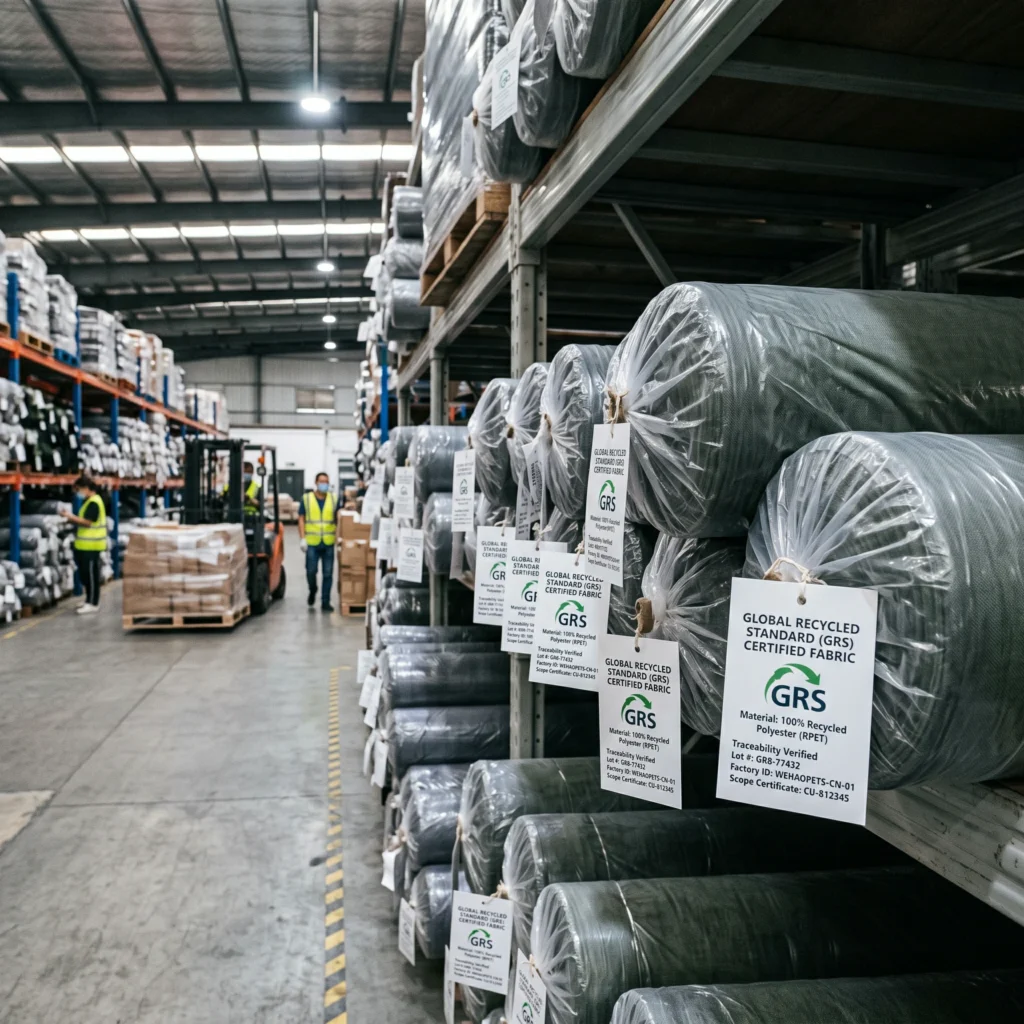
Overview: Designing functional breeding toys requires rigorous hygienic compliance and internal structural rigidity. Our manufacturing focuses on washable composite liners, medical-grade liquid silicone rubber, and robust armatures to ensure longevity, clinical cleanability, and safe commercial application for veterinary use and professional breeders.
A major European brand recently came to us experiencing a 34% return rate because their previous supplier used non-washable internal cotton and low-grade TPE in their dog mating toy lines. This resulted in bacterial retention and canine skin irritation. At Wehaopets, our R&D team approaches this category strictly as physiological equipment. We engineer each unit to withstand clinical sanitation protocols and high impact.
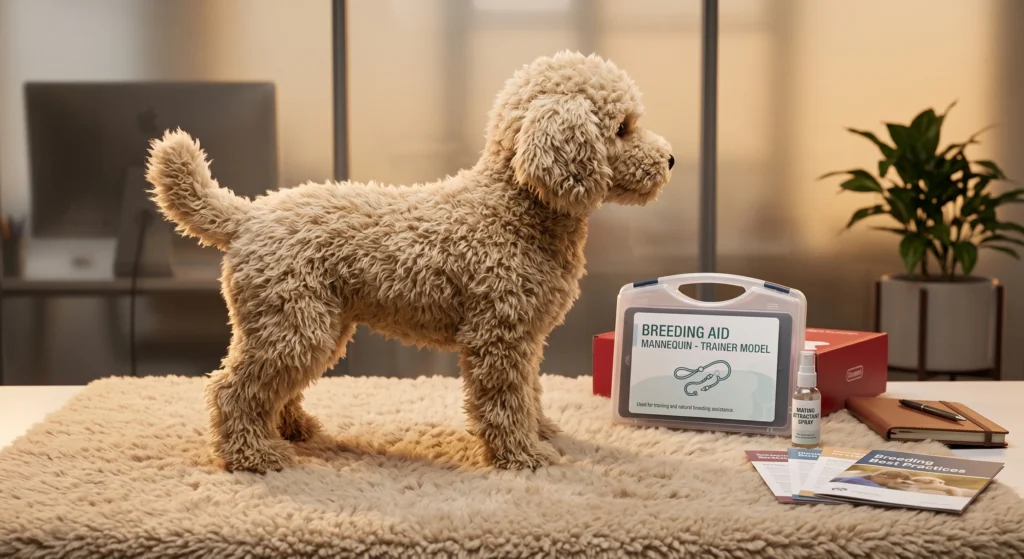
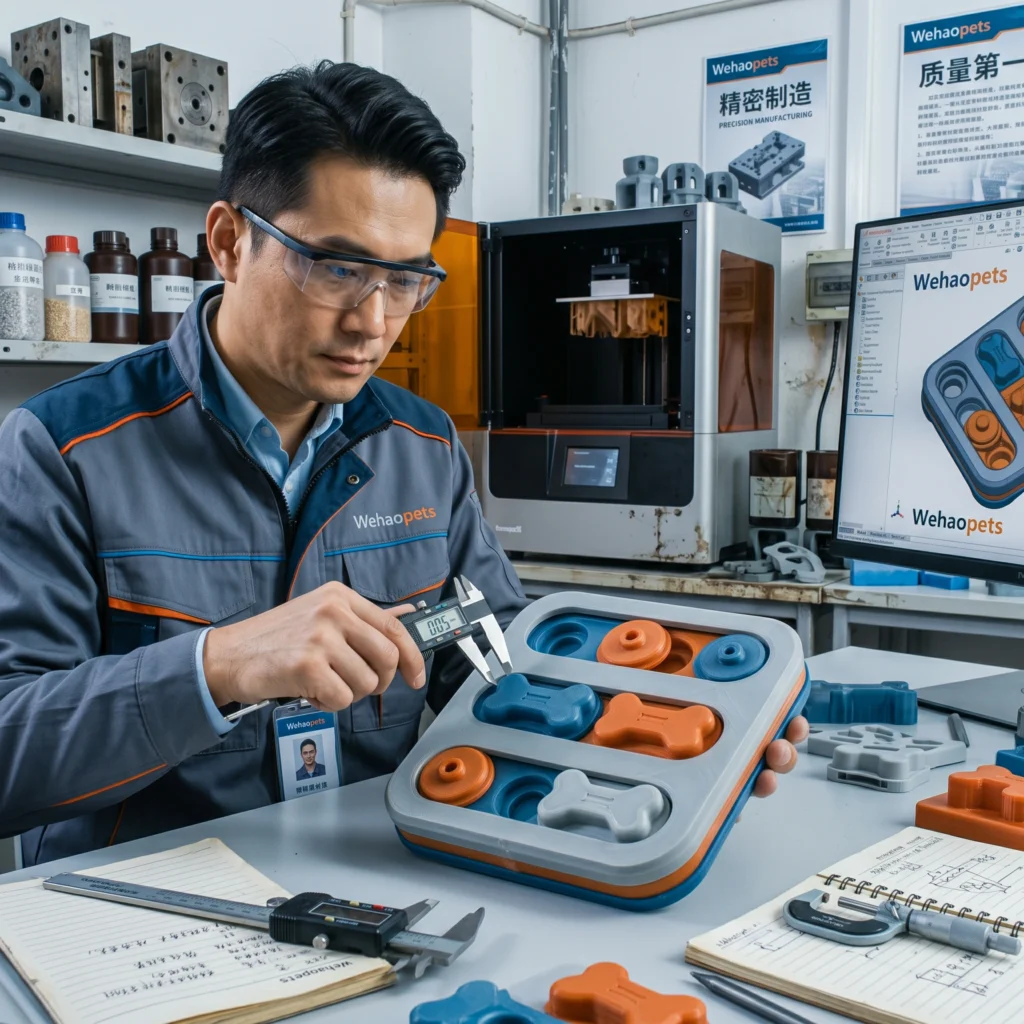
Developing a functional dog sex toy or a specialized breeding toy requires precise material engineering. We focus on internal skeletal armature durability to withstand mechanical stress. Whether you are scaling an existing line or requesting a customizable cat plush with integrated physiological simulation features, our prototyping workshop ensures that every specification meets stringent veterinary safety standards.
Washable Liner Assembly
To satisfy international compliance across the USA, Europe, UK, and Japan, importers must upgrade component specifications. The distinction between commercial-grade and consumer-grade materials directly impacts hygiene and operational lifespan. Importers should also consider established dog toy safety standards when evaluating material performance, cleanability, and long-term durability for commercial canine products.
Material & Component Specification Table
| Product Component | Standard Material (Low Quality) | Recommended Industrial Material (Wehaopets Grade) | Cleanability Rating | Impact on Lifespan |
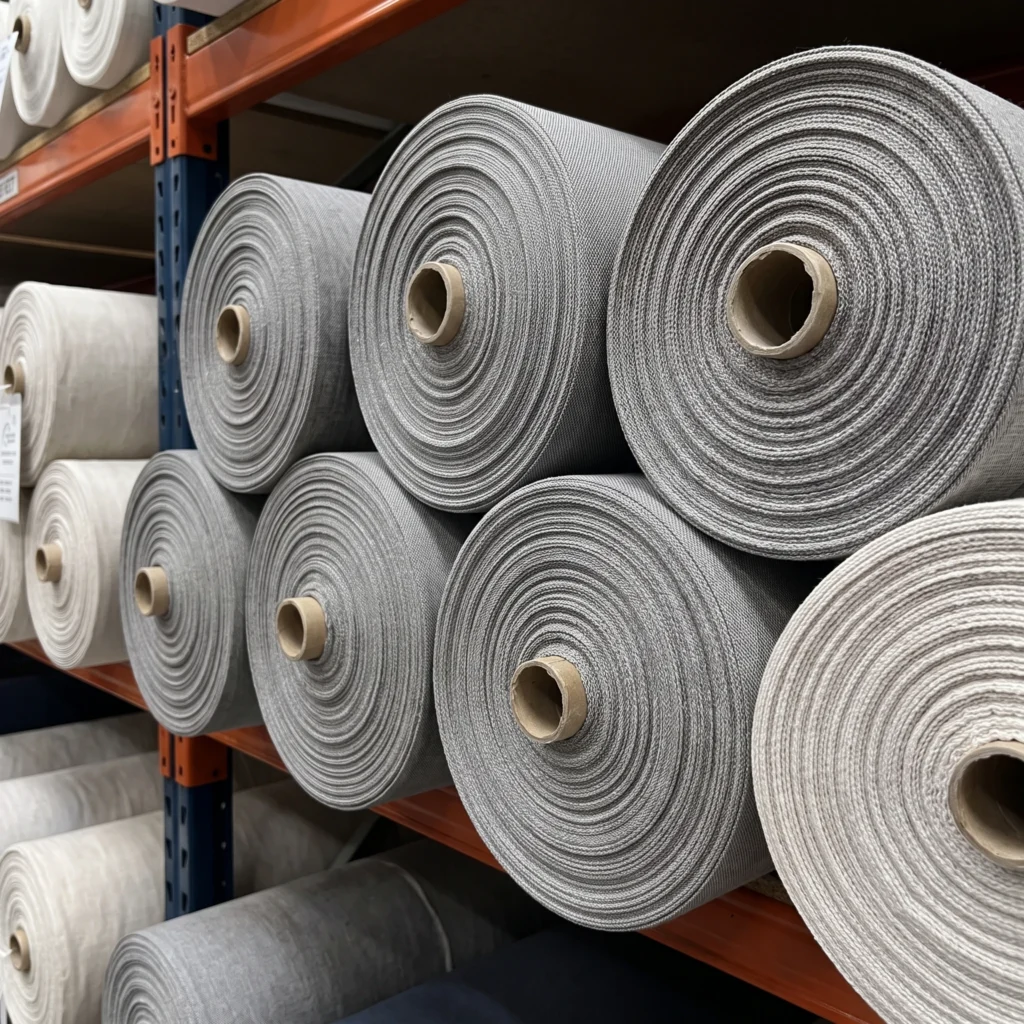
| External Shell | Standard Polyester Plush | Hypoallergenic, High-Density Nylon-Poly Blend | Moderate | High abrasion resistance; prevents tearing. |
| Internal Support Core | Loose PP Cotton | High-Density Polyurethane Foam with Skeletal Frame | Low (If non-removable) | Maintains structural integrity under heavy kinetic load. |
| Removable Fluid Core | Porous TPE (Thermoplastic Elastomer) | Medical-Grade Liquid Silicone Rubber (LSR) | Maximum (Autoclavable) | Resists micro-tearing and bacterial adhesion. |
| Seam Construction | Single-Thread Stitching | Double-Needle Lockstitching with Kevlar Core | N/A | Prevents catastrophic seam failure during use. |
Essential Tech Pack Parameters
When submitting designs to our prototyping workshop, your Tech Pack must include these precise engineering parameters:
- 📐 Internal Skeletal Armature Tolerance: Specifications for PVC/wire armature locking mechanisms to prevent internal joint collapse under dynamic canine weight.
- 🔬 LSR Attachment Junctions: Tolerances for bonding medical-grade liquid silicone rubber to textile elements, ensuring zero fluid ingress into the foam core.
- 📐 Tensile Strength Reinforcement: Identification of high-stress zones requiring double-needle lockstitching and industrial bartacking.
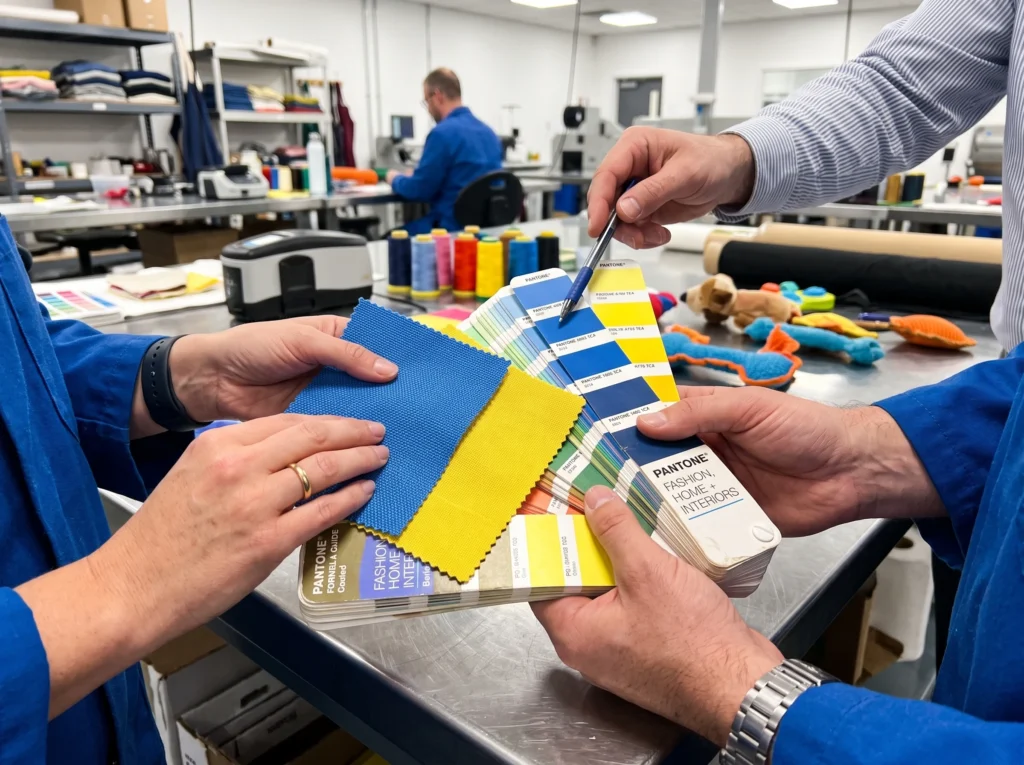
- 🔬 Thermal Colorfastness: Dye migration limits verifying that external textiles can withstand high-temperature washing and sanitization without degrading.
Engineering Confidentiality & Quality Assurance
Complex OEM/ODM Customization projects require meticulous planning. Sourcing directors frequently consult our Factory Quality Control specialists regarding material validation and production scale.
B2B Frequently Asked Questions
Q1: How do you ensure material sanitization for physiological dog equipment?
Our R&D team utilizes medical-grade liquid silicone rubber (LSR) for all internal simulation components. This material is non-porous, hypoallergenic, and can withstand chemical disinfectants and boiling water without degrading.
Q2: What are the minimum order quantities (MOQs) for custom plush and silicone combinations?
Due to the complex tooling required for dual-material manufacturing (injection molding and textile fabrication), our standard MOQ for fully customized breeding aids is 1,000 units per design iteration.
Q3: How does Wehaopets protect intellectual property for private label designs?
We execute binding Non-Disclosure Agreements (NDAs) before reviewing any blueprints. All custom molds are strictly quarantined in our tooling department, and private label production runs operate under secure, compartmentalized assembly lines.
Conversion Action
Sourcing directors and private label owners: prevent costly field failures by partnering with a dedicated manufacturing facility. Send your confidential tech packs or preliminary sketches to our engineering team for a comprehensive evaluation and detailed prototyping quote. We guarantee strict IP protection and clinical-grade execution. Contact us today to initiate your product development cycle.