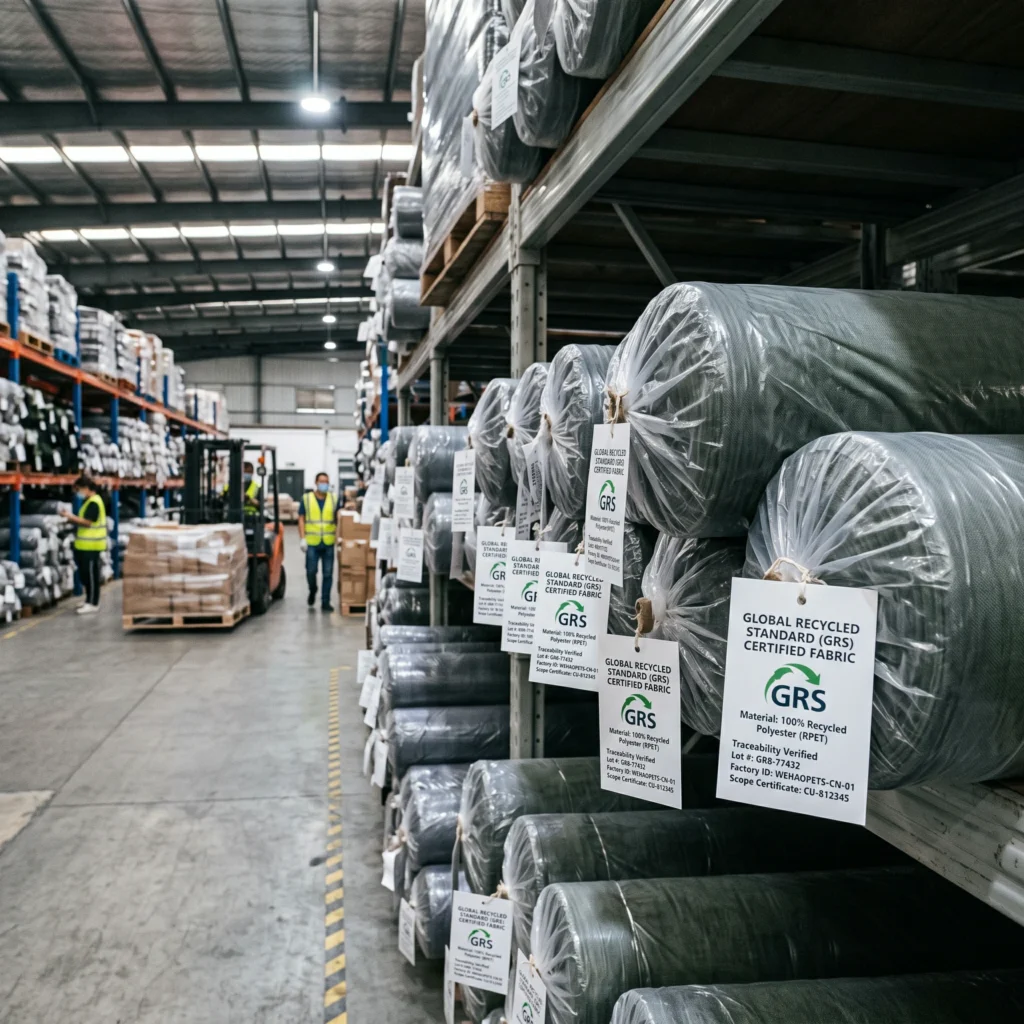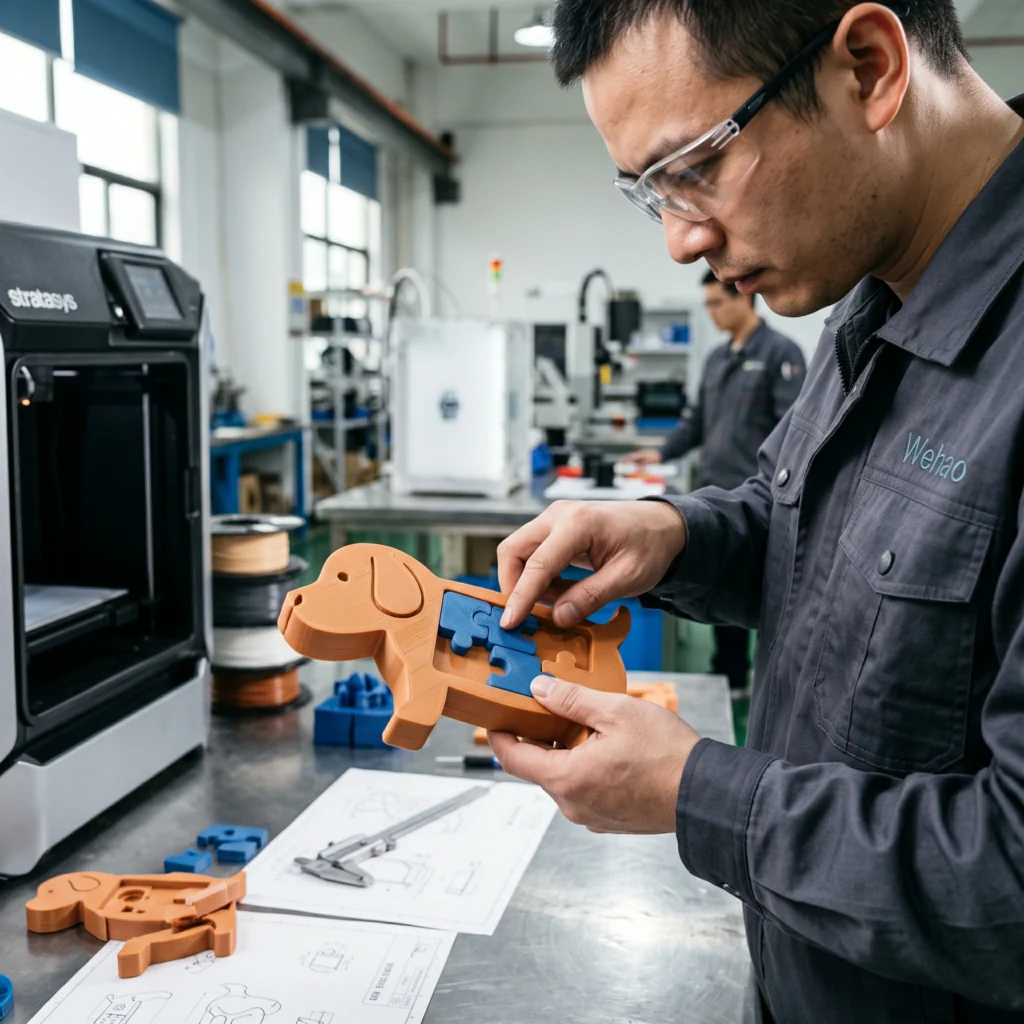
Overview: As an OEM manufacturer for global brands, we know inventory risk is your biggest profit killer. To secure Q4 inventory for high-velocity trending pet toys without massive air freight penalties, your absolute drop-dead date for finalizing tech packs is July 15th. Here is our mitigation strategy.
Every year, our production planners watch e-commerce brand owners and inventory managers commit the exact same $10,000 mistake. A buyer will approve a final design for their seasonal line in mid-August, assuming a November launch is entirely feasible. They calculate standard production days but completely ignore the cascading realities of the global supply chain. By the time the final units pass our quality control, the ocean shipping window has completely closed. Instead of paying $0.20 per unit for ocean freight, the brand is forced into emergency mode, booking air freight at $2.50+ per unit just to get the goods into their 3PL or Amazon FBA warehouses before Black Friday. That single delay destroys the product’s entire profit margin for the quarter.
As the supply chain strategists at Wehaopets, we engineer our OEM and ODM operations to prevent these exact catastrophes. In the high-stakes environment of B2B manufacturing, optimism is a liability. You need hard data, rigid timelines, and a deep understanding of factory floor dynamics to survive Q3 and Q4.
The Mechanics of Peak Season Delays
Understanding why your goods are delayed requires looking past the surface level of “factory lead times” and examining the micro-bottlenecks that aggregate into massive shipping delays. When you are dealing with high-velocity trending pet toys, demand shifts rapidly, and the pressure to iterate designs quickly can crash head-first into inflexible industrial realities.
Three major factors compound during the late summer months:
First, Q3 factory capacity constraints are a universal reality in Southern China. Every major global retailer is pushing their holiday orders through the assembly lines simultaneously. Once our production slots are allocated, emergency-rushing an order requires pulling labor from other lines, which is often contractually impossible.
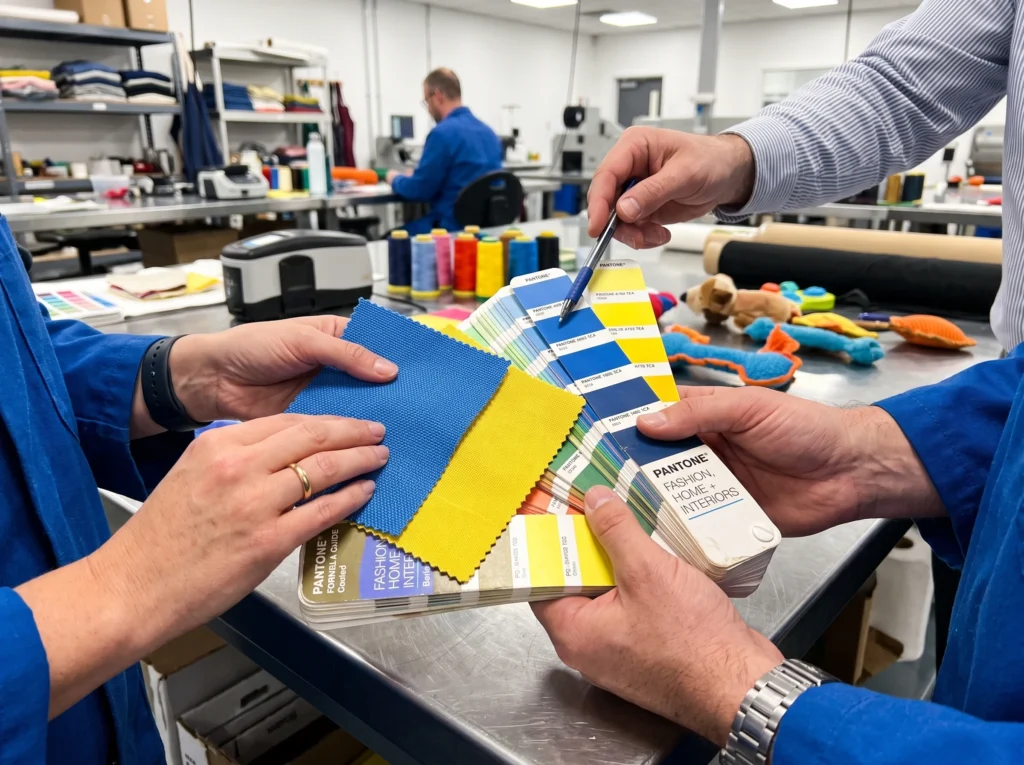
Second, buyers frequently underestimate raw material curing times and material procurement windows. If your tech pack specifies a custom Pantone color for a TPR (Thermoplastic Rubber) chew toy, we cannot simply press a button. The masterbatch must be formulated, the plastic injected, and the material allowed to cure and stabilize. If you change the durometer (hardness) of the rubber at the last minute, the curing process resets, costing you days.
Third, even if manufacturing goes perfectly, vessel space booking delays can strand your goods on the dock. Freight forwarders are overwhelmed in September and October. If your cargo is not pre-booked weeks in advance, it will be rolled to the next sailing, and then the next. During this chaos, carriers implement the peak season surcharge (PSS), drastically raising the cost per CBM (Cubic Meter) while offering lower reliability.
Mandatory Reverse Sourcing Calendar
To mitigate these risks, we enforce a strict reverse-countdown timeline. This framework is not a suggestion; it is the operational baseline required to guarantee your products are sitting in your distribution center when the consumer demand spikes.
Reverse Sourcing Calendar for Q4 Holiday Deliveries
| T-Minus Timeline | Action Required by Brand | Factory Phase | Bottleneck Risk |
| 8 Months Out (Feb) | Submit initial 2D sketches and target BOM (Bill of Materials). | Feasibility analysis and raw material supplier vetting. | Sourcing specialized fabrics (e.g., custom faux fur for calming beds) taking longer than expected. |
| 7 Months Out (Mar) | Review and approve 1st round physical prototypes. | Mold creation (for TPR/Nylon) and pattern cutting (for plush). | 3D CAD files requiring multiple revisions, delaying tooling commencement. |
| 6 Months Out (Apr) | Lock final 3D CADs and approve 2nd round prototypes. | Final tooling adjustments; pre-production sampling. | Testing failures during third-party lab safety compliance (ASTM/CPSIA). |
| 5 Months Out (May) | Issue official Purchase Order (PO) and deposit. | Bulk raw material purchasing and inbound logistics. | Upstream fabric mills experiencing sudden supply shortages or dyeing delays. |
| 4 Months Out (Jun) | Finalize and approve all retail packaging designs. | Mass production commencement; injection molding and sewing. | High defect rates on initial batch requiring machine recalibration. |
| 3 Months Out (Jul 15) | DROP-DEAD DATE FOR TECH PACK LACKS. | Final assembly, stuffing, and integrated quality control. | Q3 factory capacity constraints limiting daily output volume. |
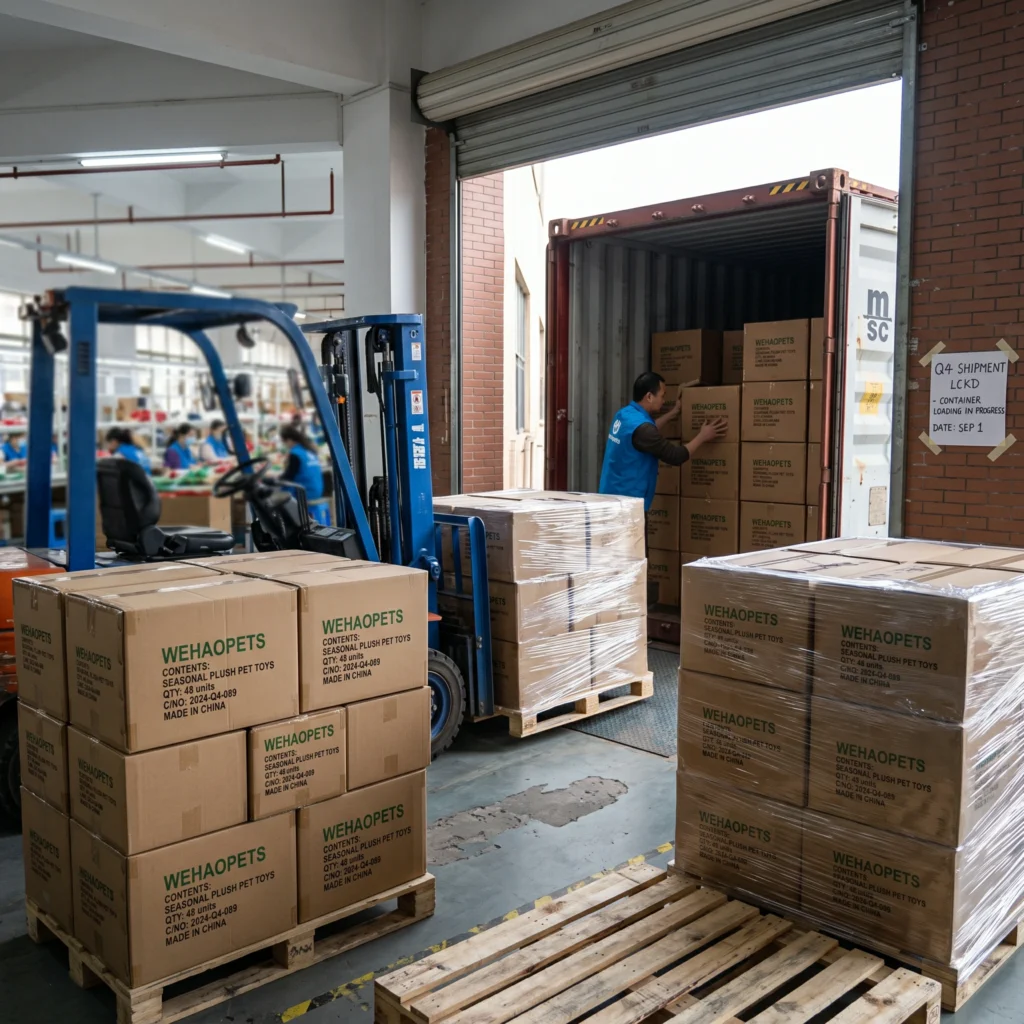
| 2 Months Out (Aug) | Coordinate with freight forwarder; finalize 3PL routing. | Final carton packing, weight verification, and palletization. | Vessel space booking delays causing cargo to be rolled at the port. |
| 1 Month Out (Sep) | Track ocean freight and prepare marketing assets. | Factory handover to origin port customs authorities. | Customs holds or unexpected peak season surcharge (PSS) application. |
| Target Launch (Oct/Nov) | Execute high-velocity sales strategy. | Post-production review and re-order forecasting. | Stockouts due to underestimating initial consumer demand. |
Hard Cut-Offs: When Modifications Become Profit Killers
Agility is important in e-commerce, but hardware manufacturing is inherently rigid. There are specific points in the production timeline where changing your mind goes from being a minor inconvenience to a critical failure. Our production planners enforce the following hard cut-offs to protect your delivery window.
- 🛑 Cut-Off 1: Steel Mold and Tooling Finalization (T-Minus 6 Months): Once the steel molds for TPR, Nylon, or rubber chew toys are cut, the internal geometry is locked. If your marketing team decides the toy needs to be 15% larger to justify a higher retail price, we cannot just stretch the mold. We have to mill entirely new steel blocks, which adds 25 to 35 days to your timeline and thousands of dollars in tooling fees.
- 🛑 Cut-Off 2: Bulk Fabric Dyeing and Sourcing (T-Minus 5 Months): For plush toys and heavy-duty dog beds, fabric is purchased and dyed by the ton. If you decide to change the shade of red from a standard crimson to a custom pantone after the PO is issued, we must scrap the existing fabric, re-order the yarn, and restart the dyeing process. This will instantly push your order behind other brands in the factory queue.
- 🛑 Cut-Off 3: Final Carton Dimension Lock (T-Minus 3 Months): When you book vessel space, you book by CBM. If you decide at the last minute to switch from vacuum-compressed polybags to rigid retail display boxes, your total CBM might double. Your pre-booked container will no longer fit your order, and booking additional vessel space during peak season is nearly impossible without massive delays.
Material-Specific Lead Time Discrepancies
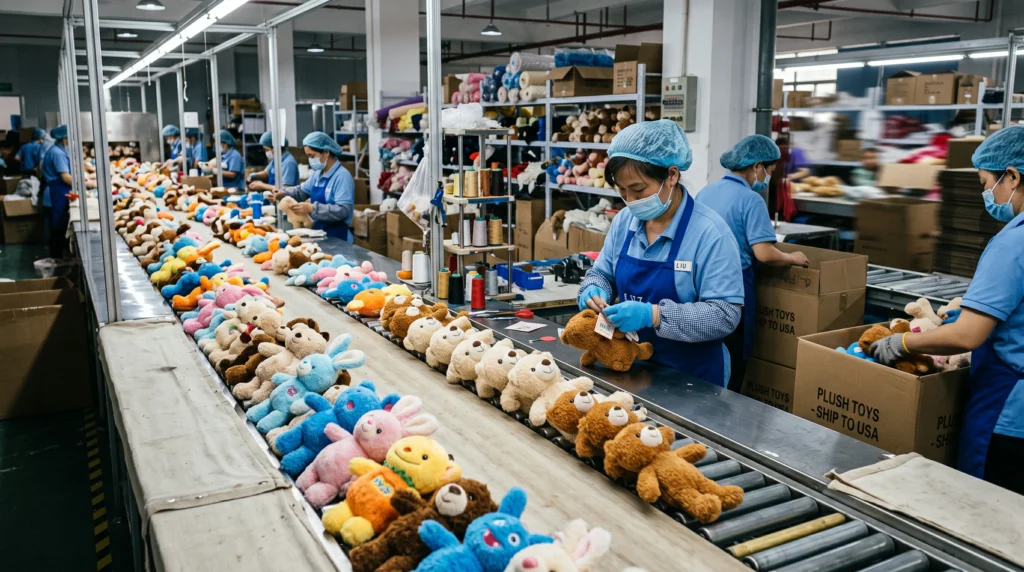
Not all trending pet toys are manufactured at the same speed. Inventory managers must understand that a trending plush toy and a trending heavy-duty chew toy operate on entirely different supply chain physics. Failing to account for these material-specific lead times will result in staggered deliveries, preventing you from launching your complete seasonal collection simultaneously.
Material-Specific Production Timelines and Complexities
| Material Category | Primary Manufacturing Process | Average Tooling/Setup Time | Average Mass Production Time (10k units) | Critical Supply Chain Risk Factors |
| Plush & Fabric | Pattern cutting, industrial sewing, PP cotton stuffing. | 7 – 14 Days (Soft Tooling / Patterns) | 25 – 35 Days | Squeaker supply shortages; complex multi-fabric stitching slowing down line speed. |
| TPR (Thermoplastic Rubber) | High-heat injection molding, cooling, and trimming. | 25 – 35 Days (Steel Molds) | 30 – 40 Days | Raw material curing times; precision temperature control required to prevent warping. |
| Nylon & Heavy-Duty Plastics | High-pressure injection molding. | 30 – 40 Days (Hardened Steel Molds) | 35 – 45 Days | Tooling modifications take significantly longer due to material hardness; surface finish defects. |
| Multi-Material (e.g., Rope + TPR) | Component manufacturing followed by manual assembly. | 25 – 35 Days (Dependent on hardest material) | 40 – 50 Days | Synchronization of different component production lines; manual tying of ropes bottlenecks output. |
Mitigating Risks Through Pre-Booked Capacity
The most sophisticated B2B buyers do not wait for a final design to secure factory capacity. They forecast their quarterly volume and book production lines in advance. By placing a deposit on a block of manufacturing time, you guarantee that when your tech packs are finally locked, there is a dedicated workforce waiting to execute.
You can review our deep-dive analysis on how we structure our OEM & ODM Services and Production Capacity to ensure seamless scaling. When you leverage pre-booked capacity, you effectively bypass the Q3 factory capacity constraints that paralyze your competitors.
The Hidden Bottleneck: Quality Control and Compliance Testing
In the rush to get high-velocity products to market, brands often push factories to speed up Quality Control (QC). This is a fatal error. Pet toys face intense scrutiny regarding safety, toxicity, and durability. Expediting production by skipping stress tests will result in a high defect rate, crushing your brand reputation via negative Amazon reviews and potentially triggering costly recalls.
To maintain safety without sacrificing speed, we implement parallel processing in our QC protocols.
Mandatory Factory-Level QC Protocols:
- In-Line Tensile Strength Testing: We do not wait for the batch to finish. Every 2 hours, units are pulled directly from the sewing line and subjected to pneumatic pull-testing to ensure seam integrity exceeds 30kg of force.
- Metal Detection Gates: All plush and stuffed toys must pass through dual-calibrated needle detection machines prior to final carton sealing to ensure no broken sewing needles remain inside the product.
- Heavy Metal and Phthalate Screening: Raw TPR and plastic batches are tested via XRF (X-ray fluorescence) analyzers before injection molding begins, preventing the costly mistake of molding 10,000 toxic units.
- Environmental Stress Cracking Resistance (ESCR): For nylon chew toys, rapid temperature fluctuation tests are performed to simulate freezing winter shipping and hot warehouse storage, ensuring the plastic does not become brittle.
- Dimensional Weight Auditing: Random cartons are weighed and measured to ensure absolute consistency with the packing list, preventing delays and repacking fees when the goods reach the port terminal.
Freight Market Dynamics and Logistics Management
Even the most perfectly executed manufacturing run means nothing if the goods cannot cross the ocean. Global logistics is volatile, and managing freight requires just as much strategic forecasting as the product design itself.
To understand the macro-economic pressures facing your container shipments, we advise our partners to closely monitor resources like the Freightos Baltic Index peak season advisory, which tracks real-time spot rates and carrier capacity.
When planning for Q4, you must build financial padding into your landed cost models. The peak season surcharge (PSS) is not a penalty for bad planning; it is a structural reality of the shipping industry from August through October. Carriers know demand outstrips supply, and they price accordingly. If your profit margin cannot absorb a $1,500 PSS per container, your business model is too fragile.
Table 3: Freight Strategy Matrix for High-Velocity Goods
| Freight Mode | Best Used For | Transit Time (Factory to US Port/Hub) | Cost Implication | Strategic Application for Inventory Managers |
| Ocean Freight (FCL – Full Container) | Standard replenishment and planned seasonal launches. | 25 – 40 Days | Lowest cost per unit; highly margin-friendly. | The gold standard. Must be booked 3-4 weeks prior to factory completion to avoid rollover. |
| Ocean Freight (LCL – Less Than Container) | Trial runs and smaller secondary SKUs. | 35 – 50 Days | Moderate cost; requires consolidation and deconsolidation. | Use for testing new variations of trending toys without committing to massive inventory. |
| Air Freight (Standard) | Emergency stockouts and late approvals. | 7 – 12 Days | Extremely high; eats most profit margins. | Used defensively when vessel space booking delays threaten missing a hard retail launch date. |
| Air Express (Courier) | Initial photo-shoot samples and compliance testing units. | 3 – 5 Days | Astronomical per CBM. | Strictly for moving a handful of units to marketing teams or third-party testing labs. |
The Documentation Choke Point
A secondary logistics risk is customs documentation. Many brand owners assume their freight forwarder handles everything automatically. However, if the factory provides inaccurate data, the forwarder cannot save you from a customs hold. Customs Border Protection (CBP) will impound containers if documentation is inconsistent.
Essential Shipping Documentation Requirements:
- Detailed Commercial Invoice (CI): Must clearly state the HTS (Harmonized Tariff Schedule) codes for every single variation of the pet toys. Mixing plush and plastic under one code will trigger an audit.
- Accurate Packing List: CBM and Gross Weight must be exact down to the decimal. Discrepancies between the packing list and the physical container weight will flag the shipment for an X-ray or physical unloading at the destination port.
- Certificate of Origin (Form A / CO): Crucial for establishing the manufacturing origin and determining applicable tariffs or trade war duties.
- Bill of Lading (B/L): We ensure Telex Release or express B/L is issued rapidly so that the consignee can claim the goods immediately upon vessel arrival without waiting for physical paperwork to be mailed globally.
- Fumigation or Heat Treatment Certificates: If any product utilizes solid wood components, strict ISPM-15 compliance documents must be provided to prevent agricultural holds.
The Seasonal Category Strategy
When building out your Q4 roadmap, integrating wholesale squeaky dog toys and other high-turnover seasonal items requires a dual-track manufacturing strategy. We advise clients to separate their POs into two distinct categories: “Core Evergreens” and “Trending Seasonals.”
Evergreen products (standard harnesses, basic plush) should be manufactured and shipped in Q2 during the low season when ocean freight is cheap and factory capacity is abundant. You store these in your 3PL. This strategy clears your mental bandwidth and our factory lines to focus exclusively on the high-velocity, high-risk “Trending Seasonals” in Q3. By segmenting your supply chain, you isolate the risk to a smaller portion of your total catalog.
Frequently Asked Questions (B2B Supply Chain & Mitigation)
1. What happens if we miss the July 15th tech pack deadline for Q4 seasonal toys?
If the July 15th deadline is missed, your order falls into the peak congestion window. We will still manufacture your goods, but we cannot guarantee completion in time for ocean freight cut-offs. You will likely be forced to absorb high air freight costs to meet mid-November distribution deadlines.
2. Can we pay an expedite fee to bypass the Q3 factory capacity constraints?
No. In B2B manufacturing, capacity is strictly allocated by contract and PO date. We cannot disrupt another brand’s scheduled production line to expedite a late order. The only way to guarantee speed is to pre-book line capacity with a deposit months in advance.
3. How do raw material curing times affect the lead time of TPR dog toys?
TPR (Thermoplastic Rubber) requires specific resting and curing periods after injection molding to stabilize its molecular structure, ensuring the toy maintains its durability and safety profile. Rushing this process results in brittle toys that fail safety testing. It adds an inflexible 3-to-5 day block to the production timeline.
4. How early should our freight forwarder book vessel space to avoid delays?
During Q1 and Q2, booking 2 weeks in advance is sufficient. However, for Q3 shipments (August/September departures), we mandate that your freight forwarder books vessel space at least 3 to 4 weeks prior to the estimated cargo ready date to avoid being rolled due to lack of carrier capacity.
5. Does vacuum compressing plush toys reduce lead times?
Vacuum compression does not reduce manufacturing lead time, but it drastically reduces your freight risk. By reducing the CBM by up to 60%, you can fit significantly more units into a single shipping container, lowering your landed cost and mitigating the financial impact of peak season surcharges.
6. Can we change the color or material of the toy during the pre-production sample phase?
Yes, but it will pause your timeline. If a material or color is changed after the initial sample, we must source new materials and create a secondary physical prototype for your approval. This resets the production clock and can push your delivery back by 10 to 15 days depending on material availability.
7. How do you handle third-party quality inspections (like SGS or Intertek) during peak season?
We welcome third-party inspectors. However, brands must schedule these inspections well in advance. During peak season, third-party inspection agencies are just as backlogged as factories. A delay in the inspector arriving at our facility will directly delay the container loading process.
Stop risking your Q4 profit margins on poor supply chain forecasting. Take control of your inventory lifecycle today. We strongly urge inventory managers and brand owners to download our 2026-2027 Seasonal Production Calendar or lock in your Q3/Q4 capacity slots immediately before the lines are fully booked.
👉 Contact Us to Book Your Production Capacity Now